
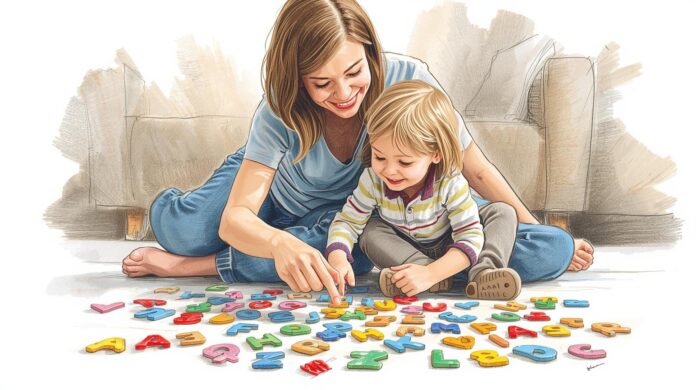
You pull out the stack of alphabet flashcards. Your preschooler takes one look, lets out a dramatic sigh, and says, “That’s boring!” If the phrase “let’s practice our letters” is met with resistance in your house, you are not alone.
As a team of early childhood experts, we know a powerful secret: for young children, the most effective learning is always joyful. The alphabet should be an exciting adventure, not a chore.
Flashcards have their place, but they often teach rote memorization, not a deep and playful understanding of letters. The real magic happens when children can touch, move, and interact with the alphabet in a hands-on way. That’s where letter recognition games come in.
This guide is your new playbook, packed with over 20 fun, engaging, and low-prep games that will have your child asking to “play letters.” If you’re just starting and want to understand the complete ‘why’ and ‘how’ behind teaching the alphabet, we recommend first reading our complete guide on how to teach letter recognition. If you’re ready to jump straight into the fun, let’s get started!
Sensory & Tactile Games: Learning by Feeling
For a preschooler, the sense of touch is a powerful pathway to the brain. When they can physically feel the shape of a letter, they build a much deeper and more lasting memory of it. These sensory letter recognition games are fantastic for hands-on learners.
1. The Alphabet Sensory Bin
Description: A classic and endlessly versatile activity where children search for hidden letters in a container filled with sensory materials.
Materials Needed: A shallow plastic bin, a filler material (like dry rice, beans, or pasta), and a set of magnetic or foam letters.
How to Do It: Hide the letters in the filler material. Give your child scoops or tongs and let them go on a “treasure hunt” for the letters. As they find each one, have them shout out its name.
Learning Objective: Practices letter identification, tactile exploration, and fine motor skills (using the tongs).
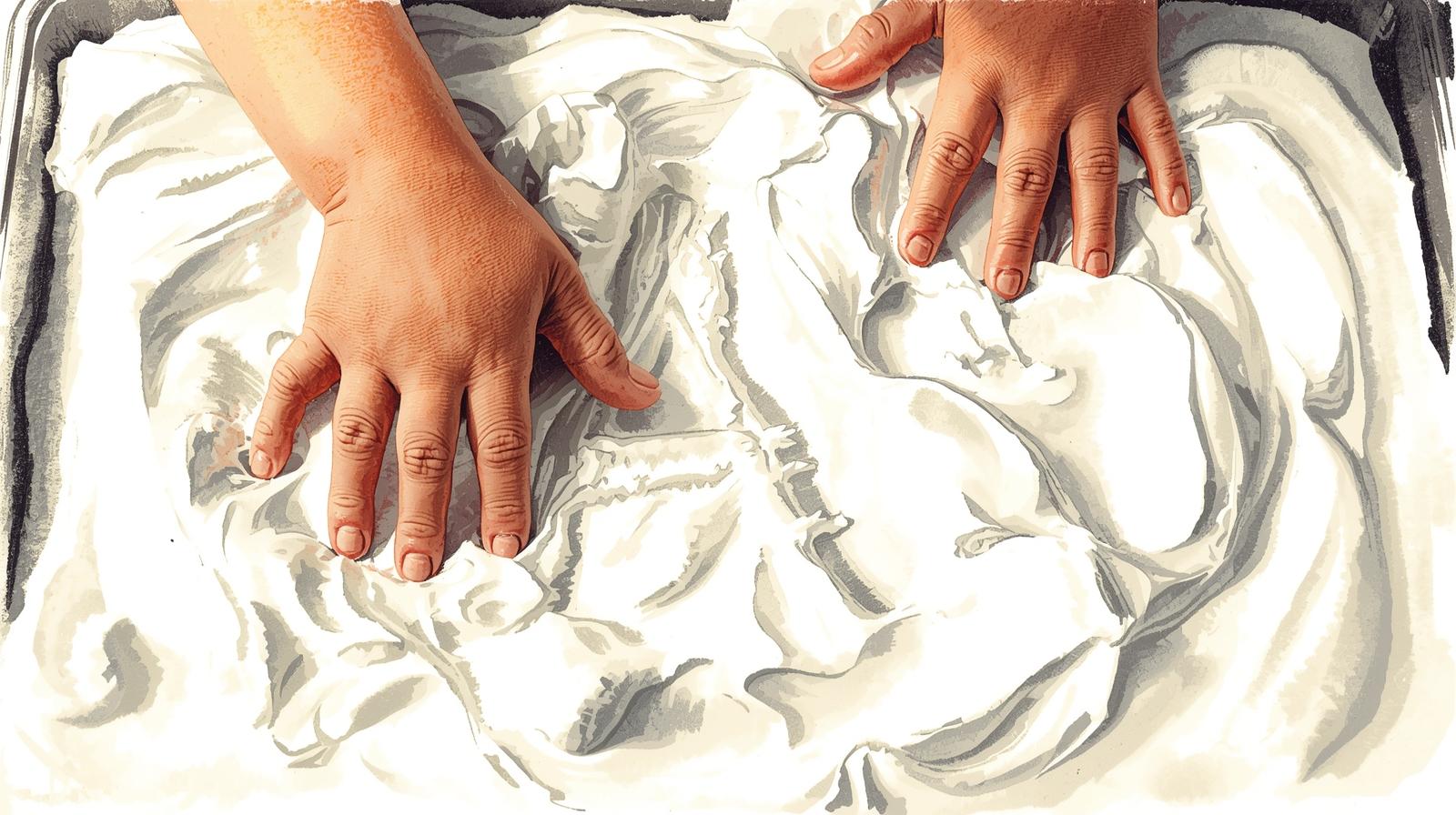
2. Shaving Cream “Cloud Writing”
Description: A wonderfully messy (but easy to clean!) activity where children trace letters in a cloud of shaving cream.
Materials Needed: A tray or cookie sheet and a can of inexpensive shaving cream.
How to Do It: Spray a thin layer of shaving cream onto the tray and spread it out. Call out a letter and have your child trace it in the “cloud” with their finger. The magic is that they can just wipe it clean and start again!
Learning Objective: Builds muscle memory for letter formation and provides a rich sensory experience.
3. “Mystery Bag” Letter Guess
Description: A simple guessing game that forces children to rely solely on their sense of touch to identify letters.
Materials Needed: A non-see-through bag (like a pillowcase) and a few tactile letters (foam or wooden letters work best).
How to Do It: Place one letter inside the bag without your child seeing. Have them reach in, feel the shape, and guess which letter it is before they pull it out. Celebrate their correct guesses with a cheer!
Learning Objective: Develops tactile discrimination, a sophisticated fine motor skill, and mental mapping of letter shapes.
4. Play-Doh Letter Stamping
Description: Using the satisfying squish of Play-Doh to make letter impressions.
Materials Needed: Play-Doh and alphabet cookie cutters or magnetic letters.
How to Do It: Roll out the Play-Doh into a flat “pancake.” Give your child the letters and let them press them firmly into the Play-Doh to create imprints. As they stamp each one, say the letter’s name and sound together.
Learning Objective: Strengthens hand and finger muscles (crucial for handwriting) while reinforcing letter shapes.
5. “Magic” Watercolor Reveal
Description: A magical art project where letters appear out of nowhere.
Materials Needed: A white piece of paper, a white crayon, and watercolor paints.
How to Do It: Before you start, secretly write several large letters on the white paper with the white crayon. Give your child the watercolor paints and tell them to paint over the whole paper to reveal the “magic letters.” They will be amazed as the letters resist the paint and appear.
Learning Objective: Teaches letter recognition in a high-interest, surprising way and introduces a simple science concept (wax resists water).
Get Moving! Gross Motor Letter Games

Preschoolers have a physical need to move. Why not channel that boundless energy into learning the alphabet? These letter recognition games use the whole body, which helps to anchor the learning in a child’s long-term memory. These are perfect for a rainy day indoors or a sunny day in the backyard.
6. Alphabet Hopscotch
Description: The classic playground game, but with letters instead of numbers.
Materials Needed: Sidewalk chalk (for outdoors) or painter’s tape (for indoors).
How to Do It: Create a hopscotch grid on the ground, but write a letter in each square instead of a number. Call out a letter or a letter sound, and your child has to hop their way to the correct square.
Learning Objective: Combines letter recognition with balance, coordination, and gross motor skills.
7. Letter Scavenger Hunt
Description: A treasure hunt to find all the letters of the alphabet hidden around the house or yard.
Materials Needed: Post-it notes or index cards with one letter written on each.
How to Do It: Hide the letter cards in a room. Give your child a “mission” to find all the letters. To make it more challenging, you can ask them to find the letters in alphabetical order, or only find the letters in their name.
Learning Objective: Practices letter identification while encouraging movement and problem-solving.
8. “Red Light, Green Light” – Alphabet Version
Description: A fun twist on a classic game that builds listening skills and letter recognition.
Materials Needed: A few letter cards or foam letters.
How to Do It: Place a letter card at the far end of a hallway or yard. You are the ‘stoplight’. When your back is turned, the child can run towards the letter. When you turn and yell “Red light!”, they must freeze. The goal is to reach the letter. Use a different letter for each round.
Learning Objective: Develops impulse control, listening skills, and letter recognition under pressure.
9. Alphabet “Fly Swatter” Game
Description: A slightly silly, high-energy game of swatting letters.
Materials Needed: Letter cards spread out on the floor and a clean fly swatter.
How to Do It: Call out a letter name or sound. Your child’s job is to find the correct letter on the floor and SWAT it with the fly swatter. They will love the satisfying ‘thwack’ sound!
Learning Objective: Reinforces quick letter recognition and hand-eye coordination.
10. “Letter Delivery” Service
Description: An imaginative play game where your child is a mail carrier delivering important letters.
Materials Needed: Letter cards and a few ‘mailboxes’ (these can be simple baskets or even different chairs).
How to Do It: Label each mailbox with a letter (e.g., A, B, C). Give your child a small stack of letter cards and tell them they are the mail carrier. Their job is to run and ‘deliver’ each letter to the matching mailbox.
Learning Objective: Practices letter matching, sorting, and encourages imaginative play and movement.
Creative & Artistic Letter Games

For children who love to draw, build, and create, combining art with the alphabet is a natural fit. These letter recognition games don’t feel like learning at all—they feel like making something beautiful and fun.
11. “Erase the Letter” Whiteboard Game
Description: A surprisingly simple ‘reverse’ drawing game that kids find irresistible.
Materials Needed: A small whiteboard and a dry-erase marker.
How to Do It: Fill the whiteboard with various letters, written in different colors. Hand your child a tissue or a board eraser. Call out a letter and their job is to find and erase it. Watching the letters disappear is incredibly satisfying for them.
Learning Objective: Reinforces letter identification in a low-pressure, high-reward format.
12. “My Name” Art Project
Description: A beautiful collage project that celebrates the most important word they’ll ever learn to write.
Materials Needed: A large piece of paper, glue, and collage materials (like scraps of colored paper, stickers, buttons, or glitter).
How to Do It: Write your child’s name in large bubble letters on the paper. Let them decorate the inside of the letters by gluing on the collage materials. It’s a wonderful way to build a personal connection to the letters in their name.
Expert Tip: This activity is a fantastic precursor to helping them practice writing their name once they are familiar with the shapes.
Learning Objective: Builds name and letter recognition, and develops fine motor skills (using glue).
13. Alphabet Monster Craft
Description: Turning a letter into a silly, googly-eyed monster.
Materials Needed: Construction paper, scissors, glue, and craft supplies (googly eyes, pom-poms, pipe cleaners).
How to Do It: Cut out a large version of a letter (e.g., the letter ‘M’). Let your child turn it into a monster by gluing on multiple eyes, fuzzy pipe cleaner arms, and pom-pom feet. The ‘M’ becomes a “Monster M”!
Learning Objective: Creates a fun, memorable, and personal connection to a specific letter.
14. Letter Painting with Toy Cars
Description: A messy and fun process-art activity for vehicle-loving kids.
Materials Needed: A large piece of paper, washable paint on a paper plate, and a few toy cars.
How to Do It: Draw a large, simple letter on the paper. Show your child how to dip the toy car’s wheels in the paint and then “drive” it along the lines of the letter, leaving colorful tire tracks.
Learning Objective: Reinforces the shape and strokes of a letter in a highly engaging, sensory way.
15. Alphabet Collage Hunt
Description: A scavenger hunt through old magazines to find and cut out letters.
Materials Needed: Old magazines or catalogs, child-safe scissors, a piece of paper, and a glue stick.
How to Do It: Pick a “letter of the day.” Go through a magazine with your child and hunt for that letter (in headlines, ads, etc.). Help them cut out the letters they find and glue them all onto a single piece of paper to create a letter collage.
Learning Objective: Practices letter recognition in different fonts and sizes, and develops scissor skills.
Snack Time & On-the-Go Letter Games
Some of the best learning moments happen in the small, in-between times of the day. These letter recognition games require no special setup and are perfect for car rides, waiting at a restaurant, or during snack time. They turn downtime into productive, playful learning.
16. “I Spy” with Letter Sounds
Description: The classic “I Spy” game, but with a phonics twist.
Materials Needed: None!
How to Do It: Instead of spying something of a certain color, spy something that starts with a certain letter sound. Say, “I spy with my little eye, something that starts with the /b/ sound…” Your child then has to look around and guess “ball!” or “book!”.
Learning Objective: This is a powerful game for building phonemic awareness—the ability to hear the individual sounds in words, which is a critical pre-reading skill.
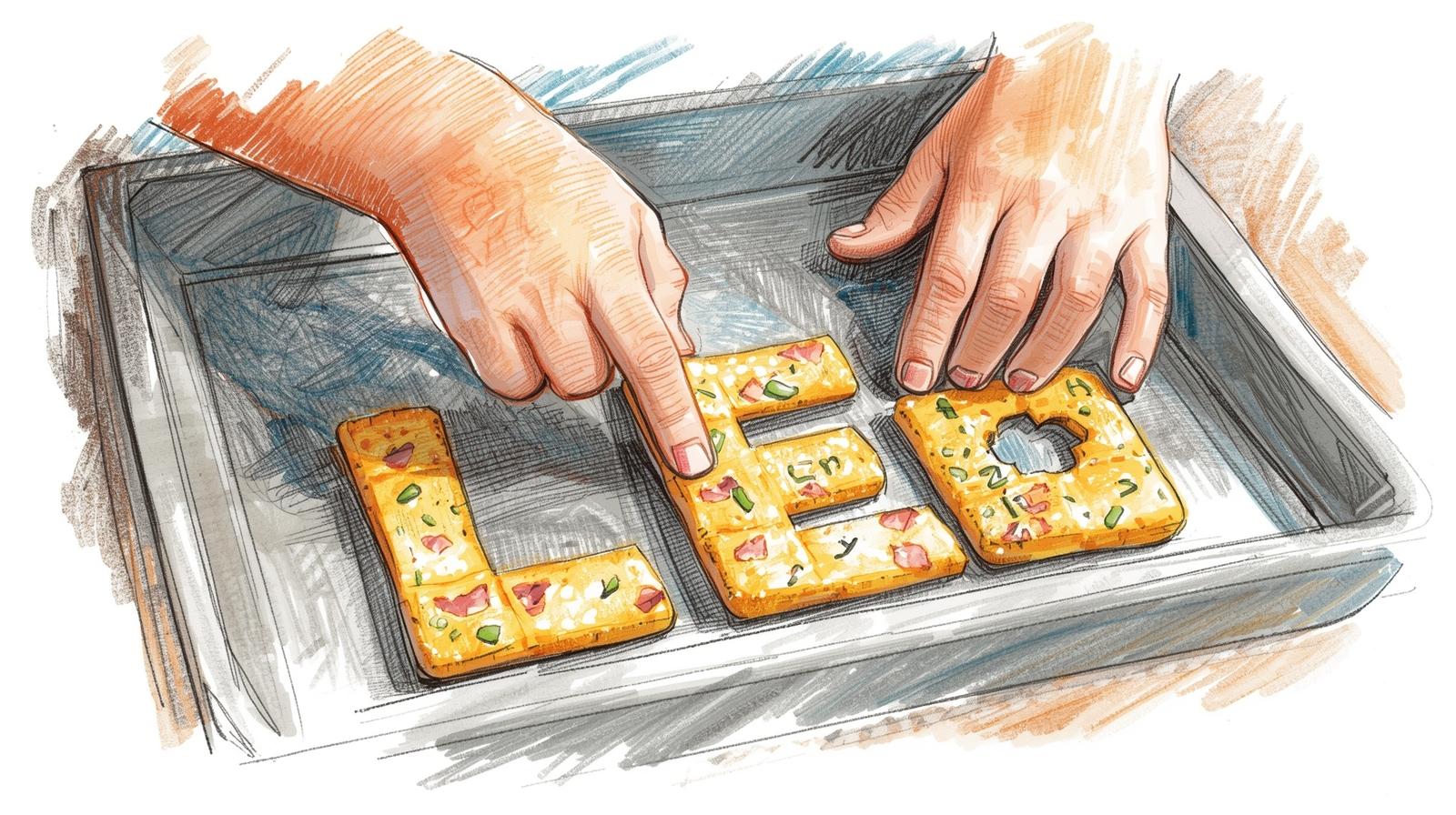
17. Alphabet Cracker Snacking
Description: A delicious and edible way to practice letter recognition and even simple spelling.
Materials Needed: A box of alphabet-shaped crackers or cookies.
How to Do It: Pour a small handful of crackers out. Call out a letter and have your child find it and eat it. For older preschoolers, you can challenge them to find the letters to spell their name or simple words like ‘MOM’ or ‘CAT’.
Learning Objective: Practices letter identification and introduces early spelling concepts in a highly motivating way.
18. “Letter Hunt” on the Road
Description: A simple game to play in the car that turns a boring drive into an alphabet adventure.
Materials Needed: None!
How to Do It: The goal is to find all the letters of the alphabet, in order, on street signs, license plates, and storefronts. Work together as a team. “Okay, we’re looking for an ‘A’! Who can spot one first?”
Learning Objective: Reinforces letter recognition in the real world and in various fonts and contexts.
19. “Guess the Letter” Back Tracing
Description: A quiet, calming, and tactile guessing game.
Materials Needed: None!
How to Do It: Use your finger to slowly and clearly “trace” a large uppercase letter on your child’s back. Have them guess which letter you drew. Then, switch roles and let them draw a letter on your back!
Learning Objective: Develops mental mapping of letter shapes through tactile input.
20. The Alphabet Song (with a Twist)
Description: Singing the alphabet song with a focus on letter identification.
Materials Needed: A set of alphabet letters (magnetic or foam).
How to Do It: Lay out all the letters in alphabetical order. Sing the ABC song together, but as you sing each letter, have your child point to the corresponding written letter. This connects the memorized song to the visual symbols.
Expert Tip: This is just one of many strategies for teaching the whole alphabet in a comprehensive way.
Learning Objective: Connects the auditory names of the letters to their visual forms.
F.A.Q. Letter Recognition Questions Answered
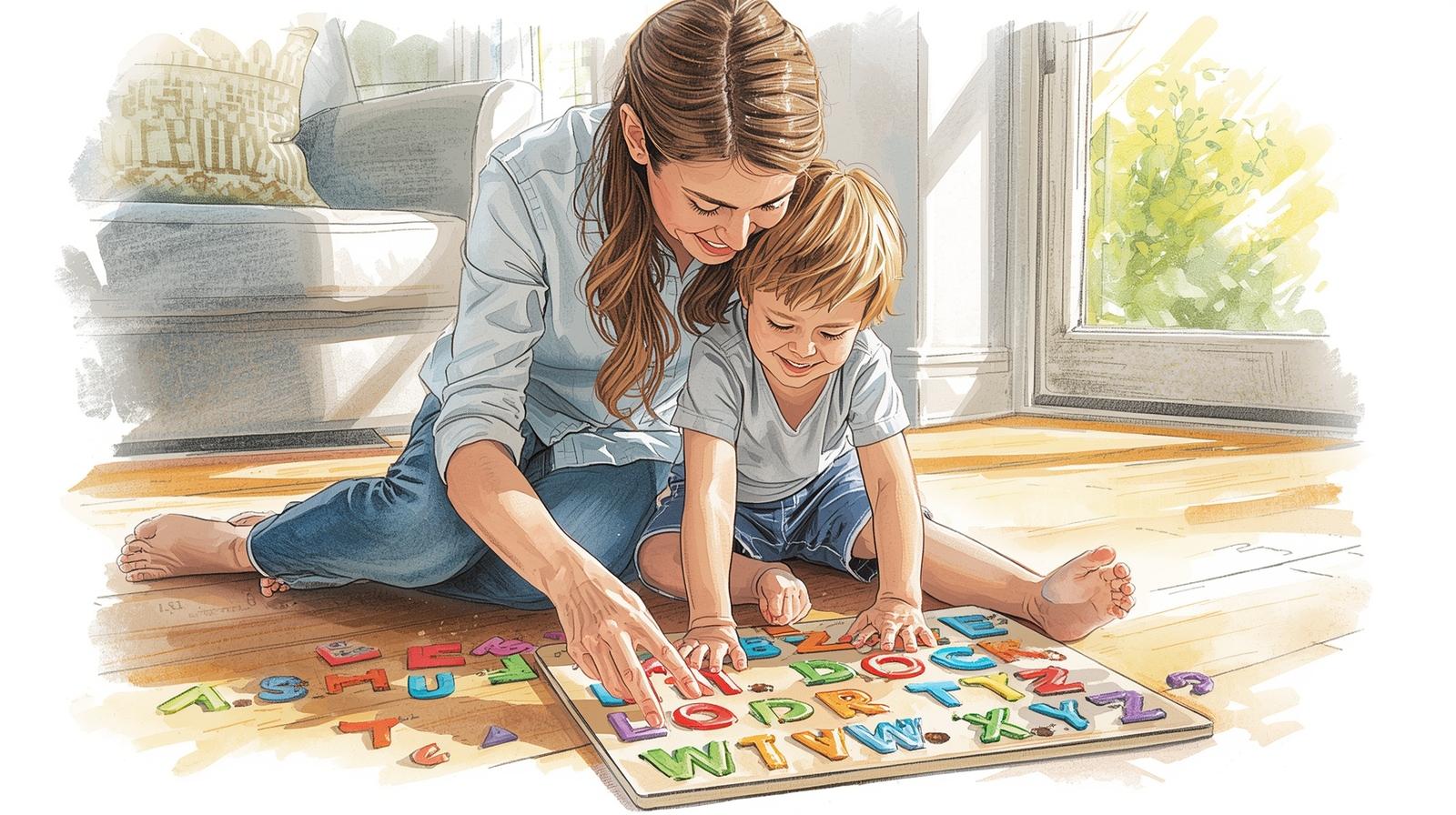
As you start playing these games, some specific questions might come up. Here are our expert answers to the most common queries from parents.
What is the best age for a child to recognize letters?
While exposure can start much earlier, most children begin to reliably recognize many letters of the alphabet between the ages of 3 and 4. By the time they enter kindergarten (around age 5), the typical expectation is that they can recognize most, if not all, uppercase letters and at least half of the lowercase letters. Remember, this is a gradual process, not an overnight skill.
How can I make letter recognition fun if my child isn't interested?
The secret is to take the 'lesson' out of it. If they resist one type of game, switch to another. The key principles of fun are: 1. Make it Physical: Use the gross motor games like Alphabet Hopscotch. 2. Make it Sensory: Use activities like Shaving Cream Writing or Play-Doh stamping. 3. Make it Personal: Focus only on the letters in their own name to start. When learning is connected to their identity, it becomes instantly more engaging.
What's the best way to teach letter sounds in a fun way?
Connect the sound to a movement and a concrete object. For example, for the letter 'S', you can both hiss like a snake while making a slithery 'S' motion with your hand. For 'B', you can bounce a ball while making the /b/ /b/ /b/ sound. The 'I Spy with Letter Sounds' game (Activity #16) is one of the most effective and fun ways to practice this skill anywhere, anytime.
Should I teach uppercase or lowercase letters first?
Most experts recommend starting with uppercase letters. They are visually simpler, made of mostly straight lines and big curves, and are easier for young children to distinguish from one another. Once they have a solid grasp of the uppercase letters, you can begin to introduce the lowercase 'matches'.
How can I help a child who is struggling with letter recognition?
If a child is genuinely struggling past the age of 5, the key is a multi-sensory approach. Don't just show them the letter; have them build it (with Play-Doh), trace it (in sand or with their finger), and move to it (in a game like Letter Hopscotch). This uses multiple pathways to the brain. Also, focus on just one or two 'problem letters' at a time, rather than overwhelming them with the whole alphabet.
What are the '42 phonetic sounds' I hear about?
This refers to a specific phonics program (like Jolly Phonics) that breaks the English language down into 42 main sounds, or 'phonemes'. These include the basic letter sounds (a, b, c) as well as digraphs (like 'sh', 'ch', 'th') and vowel combinations ('ai', 'oa'). For a preschooler, you do not need to worry about all 42. The primary goal is for them to learn the basic sounds of the 26 individual letters first.