

That first, brand-new backpack. A pair of tiny shoes that look impossibly small. For a preschool parent, the journey of getting ready for kindergarten is a whirlwind of excitement and a good deal of anxiety.
The milestone of starting kindergarten feels huge, and the pressure to ‘get it right’ can be immense. You want to give your child the most confident start possible, but most guides offer simple, logistical to-do lists.
As a team of early childhood experts, we know the secret to a successful transition isn’t just about checking boxes. It’s about preparing their heart as much as their backpack. This guide is designed to give you those essential kindergarten readiness tips—ten practical, expert-backed strategies that cover both the emotional and the practical side of this big step. For parents who also want a detailed checklist of specific academic and social skills to review, you can use our complete kindergarten readiness assessment as a helpful companion to this guide.
Let’s dive into the 10 tips that will truly prepare your child for a happy and successful kindergarten year.
Tip 1 & 2: Build Emotional Readiness & Create a Goodbye Ritual
Before you even think about lunchboxes or school supplies, the most important kindergarten preparation starts with the heart. A child’s emotional state dictates their ability to learn and connect. One of the most impactful kindergarten parent tips we can offer is to focus on building emotional readiness first.
Talk About the Big Feelings (Yours and Theirs)
Your child isn’t the only one who’s nervous, and they can feel your anxiety. It’s crucial to acknowledge these feelings openly. Instead of saying “Don’t be scared!”, try “It’s a big step! It’s okay to feel a little nervous and excited at the same time.” Normalizing the emotion removes its power. Here are some powerful ways to prepare them:
- Read Books as ‘Practice Runs’: Read books like ‘The Kissing Hand’ or ‘The King of Kindergarten’ multiple times. Don’t just read the words; pause and ask questions. “How do you think he’s feeling? What do you think will happen next?” This helps them process the emotions in a safe space.
- Role-Play the Hard Parts: At home, play ‘school’. You be the teacher, and let them practice asking for help, finding the bathroom, or joining a group of friends. This demystifies the experience and gives them a script for success, building a foundation of positive self-talk for when they’re on their own.
Create a Consistent Goodbye Ritual
Anxiety spikes during uncertain moments. A predictable goodbye ritual is a powerful anchor for your child. It should be short, loving, and consistent every single day. A long, drawn-out goodbye often signals to your child that you are anxious, which in turn makes them anxious. A great ritual could be:
- A big hug.
- A high-five.
- Saying the exact same phrase: “I love you, have a great day, I will be back to get you!”
This simple, predictable act tells their brain, “This is the moment we separate, and it’s safe. Mom/Dad always comes back.” It’s powerful, practical advice for kindergarten parents that makes a world of difference.
Tip 3 & 4: Master the Morning Routine & Do a ‘Dry Run’
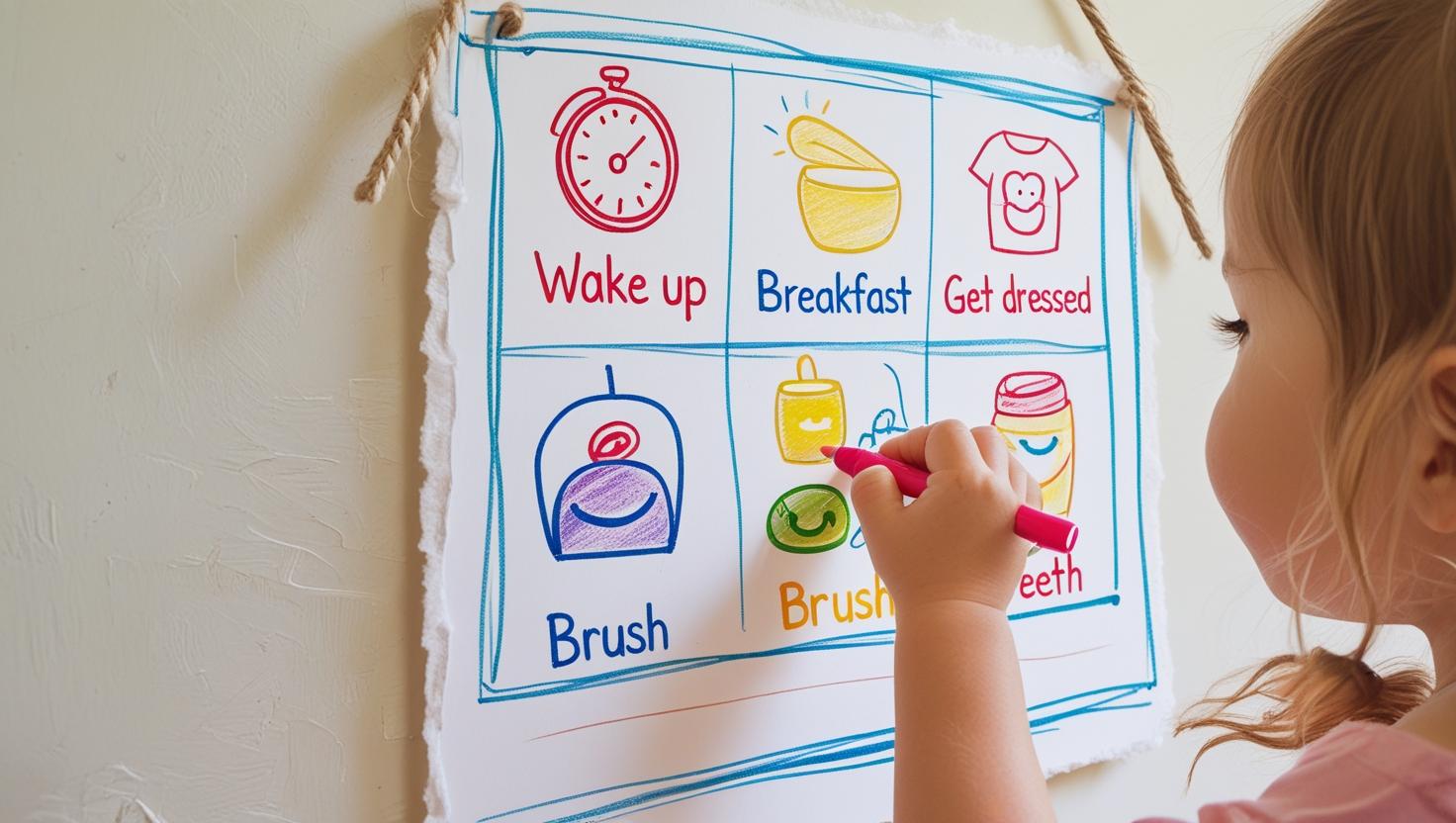
Okay, let’s talk logistics. A chaotic morning can set a stressful tone for the entire school day for both you and your child. One of the best kindergarten readiness tips is to get your morning routine down cold before the first day of school. This is where the rubber meets the road.
Nail Down Your Morning Routine
A predictable routine is a game-changer for young kids. When they know what’s coming next, they feel secure and are less likely to push back. Weeks before school starts, begin implementing your school-day schedule. This means:
- Consistent Wake-Up Time: No more sleepy summer mornings. Start waking them up at the time they’ll need to for school.
- The Bedtime Battle: A successful morning starts the night before. A five-year-old needs 10-13 hours of sleep to function well. An early, consistent bedtime is non-negotiable for a happy kindergartener.
- Create a Visual Chart: For a preschooler transitioning, a simple picture chart can work wonders. Pictures for ‘Wake Up’, ‘Eat Breakfast’, ‘Get Dressed’, ‘Brush Teeth’, ‘Shoes On’ can turn the routine into a fun game and reduce your need to be a drill sergeant.
Do a ‘Dry Run’ to School
This tip is pure gold for easing first-day jitters. A few days before school officially starts, do a complete ‘dry run’ of your morning. Go through the entire routine, get in the car or walk to the bus stop at the correct time, and travel all the way to the school. Here’s why this is so effective:
- It demystifies the journey: The route becomes familiar, and the building becomes a known place instead of a big, scary unknown.
- It answers practical questions: You’ll know exactly how long the trip takes, where to park, and which door to go to. This reduces your stress, which is just as important.
- It creates positive associations: After your dry run, do something fun. Go to the park or get a special treat. This helps your child’s brain connect the school journey with a positive, happy feeling.
This is how to prepare for kindergarten in a way that builds confidence through familiarity. You’re giving them a mental map of the day before they have to navigate it for real.
Tip 5 & 6: Focus on Independence Skills & The ONE Academic Skill That Matters

Many parents dive deep into academic drills, but from a teacher’s perspective, a child’s practical independence is far more critical in the first few weeks of school. This part of your kindergarten preparation is about empowering your child to feel capable and self-reliant in a busy classroom.
The ‘I Can Do It Myself’ Checklist
A child who can manage their own basic needs is a child who feels confident and has more mental energy available for learning. Before school starts, work on these five game-changing independence skills:
- Bathroom Boss: Can they manage everything in the bathroom solo? This includes pulling pants up and down, fastening buttons or snaps, wiping, and washing their hands properly.
- Lunchbox Hero: Pack their lunch in the actual containers they’ll use and have them practice opening everything themselves. A tricky juice box straw or yogurt lid can be a source of major frustration for a little one.
- Jacket & Shoe Pro: Can they put on their own jacket and manage the zipper? Can they put on their own shoes (Velcro is your best friend!)? These are huge confidence boosters.
- Backpack Manager: Teach them what’s in their backpack and how to open and close it. Knowing they can access their own things is empowering.
- ‘Sneeze & Wipe’ Expert: It sounds small, but teaching them to grab a tissue, wipe their own nose, and throw the tissue away is a key classroom skill.
The Only Academic Skill to Stress About (Hint: It’s Their Name)
Here’s some inside advice for kindergarten parents: we will teach them their letters, numbers, and how to read. You don’t need to drill them on academics. However, there is one skill that gives a child an enormous advantage: recognizing their own written name.
Their name is their anchor in the classroom—it’s on their cubby, their artwork, their supplies. A child who can find their own name feels a sense of belonging and ownership. To make this fun, you can use our tools to let them practice recognizing their written name in a playful, no-pressure way. This single piece of knowledge is the most impactful academic head start you can give them.
Tip 7 & 8: Meet the Teacher & Build a Partnership
One of the most overlooked aspects of getting ready for kindergarten is preparing for the new relationships your family will build—especially with your child’s teacher. Thinking of the teacher as your partner from day one is a mindset that will pay dividends all year long. These tips for kindergarten parents are all about building a strong foundation for communication.
Go to the ‘Meet the Teacher’ Day
This is more than just a formality; it’s a critical step in easing anxiety. For your child, seeing their classroom and meeting their teacher with you by their side transforms a scary, unknown place into a familiar one. For you, it’s your first opportunity to establish a positive connection. When you go, be prepared to:
- Share a ‘Snapshot’ of Your Child: Give the teacher a quick, positive insight. “Liam is a little shy at first, but he loves dinosaurs and is a great helper.” This gives the teacher a positive entry point to connect with your child.
- Ask One Key Question: Teachers are swamped on these days. Instead of a long list, ask one great question: “What is the best way to communicate with you throughout the year?” This shows you respect their time and want to be a collaborative partner.
- Project Confidence: Your child will mirror your emotions. Speak about the teacher and the school with excitement and positivity. “Mrs. Smith seems so nice! You’re going to have so much fun in this classroom.”
Be a Partner, Not Just a Parent
Once school starts, your relationship with the teacher is a key factor in your child’s success. Think of yourselves as a team with one shared goal: helping your child thrive. This means:
- Read Everything They Send Home: The weekly folder, the emails, the app notifications. This is the #1 way to stay informed and show you’re engaged.
- Assume Positive Intent: If you get a note about a behavioral issue, don’t jump to conclusions. Assume the teacher is reaching out to you as a partner to solve a problem together. Start conversations with “Thanks for letting me know. Can you tell me more about what you’re seeing?”
- Support Learning at Home (the Right Way): Your role isn’t to be a drill sergeant. It’s to create a positive learning environment. For a deeper dive into the teacher’s perspective, you can explore more kindergarten teacher tips on how to best support your child’s journey at home.
Tip 9 & 10: Plan for After School & Manage Your Own Emotions

You’ve successfully navigated the morning drop-off, but the school day doesn’t end at the pickup line. Being prepared for the after-school transition is a key part of the kindergarten preparation puzzle. And finally, perhaps the most important tip of all involves not your child, but you.
Have a Rock-Solid After-School Plan
Kindergarten is exhausting for a five-year-old. They spend the day learning, negotiating social situations, and following rules. This often leads to what parents call the “after-school meltdown.” They’ve held it together all day, and they finally feel safe enough with you to let it all out. Here’s how to prepare:
- The Power of the Snack: Have a healthy, protein-rich snack and a drink ready the second you pick them up. Low blood sugar is a major trigger for meltdowns.
- Decompression Time is Non-Negotiable: Don’t pepper them with questions like “What did you do today?”. Give them at least 30 minutes of quiet, unstructured downtime when you get home. Let them veg out, snuggle, or play quietly. The stories about their day will come out later, once their brain has had a chance to recharge.
- Know the Pickup Plan: If they are going to after-school care or being picked up by someone else, make sure the plan is crystal clear to them. Reassure them that you know exactly where they are and when you will see them next.
Manage Your Own Anxiety (This One’s for You)
This is the final, and most crucial, piece of advice for kindergarten parents. Your child is a finely tuned emotional antenna, and they will pick up on your anxiety. The calmer and more confident you are, the calmer and more confident they will be.
It is completely normal for you to feel sad, nervous, or emotional about this milestone. This is a big “letting go” moment. Acknowledge your own feelings, talk to your partner or a friend, and maybe even shed a tear after you’ve left the school. But in front of your child, project an attitude of calm, confident excitement. Your confidence gives them permission to feel confident, too. You’ve got this.
10 F.A.Q. About Kindergarten Answered
We’ve gathered the most pressing questions from parents just like you. Here are our team’s honest, practical answers to help you navigate this transition with confidence.
How do I prepare for my first day of kindergarten?
The best preparation focuses on emotion and routine. A few weeks before, start your school-day bedtime and morning routine. Do a 'dry run' where you walk or drive to the school. Most importantly, create a quick, loving, and consistent goodbye ritual. A confident and calm goodbye from you is the most powerful tool for a tear-free start. Your calm is their calm.
What is 'ready for kindergarten'?
'Ready for kindergarten' is less about academics and more about independence and social-emotional skills. A 'ready' child isn't one who can read; it's one who can manage their own jacket and lunchbox, ask a teacher for help using words, show curiosity, and handle small frustrations without a meltdown. It's about being ready to learn in a group environment.
What is the ideal age to start kindergarten?
While most states have a cutoff date where a child must be 5 years old by a certain day (often September 1st), the 'ideal' age depends on the individual child. The debate between being the oldest or youngest in class is ongoing. The best approach is to assess your child's developmental readiness—their social maturity, emotional regulation, and ability to handle a full school day—rather than focusing solely on their chronological age.
What are the 'Daily 5' activities for kindergarten?
The 'Daily 5' is a popular literacy framework used in many classrooms. It's not something parents need to do at home, but it's great to know! It consists of five structured activities the children rotate through: 1. Read to Self, 2. Read to Someone, 3. Work on Writing, 4. Word Work (like building words with magnetic letters), and 5. Listen to Reading. It's a teacher-led system designed to build literacy independence in a fun, engaging way.
Is it better for a child to be oldest or youngest in class?
There are pros and cons to both, and no single 'better' option. The oldest children in class may have an initial advantage in maturity and physical size. The youngest children are often challenged by their peers and may develop resilience and adaptability. Experts agree that a child's individual temperament and developmental stage are far more important than their age relative to their classmates.
What to buy for kindergarten?
Wait for the list from the school! Every teacher and school has specific supply requests. Buying too early often means you'll have the wrong type of crayons or folders. The three things that are almost always safe to buy ahead are: 1. A backpack (that is big enough for a standard folder), 2. A lunchbox, and 3. A reusable water bottle. For everything else, it's best to wait.
How to teach 'what comes before' to kindergarten?
This is a key sequencing skill. The best way is to make it part of your daily language. Use 'first, then, last' constantly. For example: 'First, we put on our socks, then we put on our shoes'. When reading a story, ask 'What happened before the wolf showed up?'. You can also use simple picture cards showing a 3-step sequence (like planting a seed) and have them put them in the correct order.
What does my child NEED to learn for kindergarten?
Focus on independence and social skills. Academically, the single most impactful skill is the ability to recognize their own written name. Socially, they need to be able to follow 2-step directions and express their needs using words. Emotionally, they need some basic resilience to handle small frustrations. We will teach them the rest!
How to introduce 'day and night' for kindergarten?
Make it tangible. Create a simple chart with a sun on one side and a moon/stars on the other. Use pictures of 'daytime activities' (playing outside, eating lunch) and 'nighttime activities' (taking a bath, sleeping) and have them sort them. Talk about the obvious cues: 'It's bright outside, so it must be daytime. Time to play!' or 'The sun went down and it's dark. It's nighttime, time to sleep'.
What is the best schedule for kindergarten?
A typical kindergarten schedule is a predictable rhythm of activities designed for short attention spans. It usually involves a 'morning meeting' or 'circle time' on the rug, followed by rotations through learning 'centers' (like blocks, art, or reading), a snack, outdoor recess, a story time, and a quiet rest period. The day is structured and predictable to help children feel secure.
What to say on the first day of kindergarten?
Keep it short, confident, and loving. After you've found their cubby and helped them settle for a moment, get down on their level, give them a big hug, and say a consistent phrase you've practiced, like: 'I love you, have so much fun today, and I will be right here to pick you up when school is over'. Then, turn and leave without looking back. Your confidence is their confidence.
“You’re Both Ready”: A Final Word on Getting Ready for Kindergarten
You’ve read the tips, you’ve made the plans, and you’ve thought about the big feelings. The journey of getting ready for kindergarten is about so much more than a new backpack or a checklist of skills. It’s about building a foundation of confidence, resilience, and emotional security that will serve your child for years to come.
Remember the core message: your role is not to create a perfect student, but to nurture a resilient, curious, and capable little human. Trust in the preparation you’ve done, and most importantly, trust in your child.
They are ready for this adventure, and so are you. You are their safe harbor and their biggest cheerleader, and that is the most powerful preparation of all.
Once your child is settled and the initial transition is over, their natural curiosity for letters and numbers will begin to blossom. When that time comes, if you’re looking for a fun, pressure-free way to support their academic journey, our team has designed resources like the Alphabet Worksheet Bundle. It’s built to turn learning into a joyful adventure, continuing the positive start you’ve worked so hard to create.