
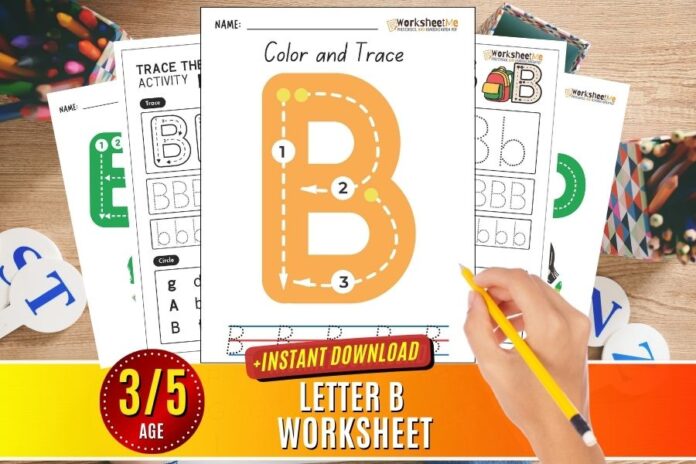
From the ‘bouncy’ ball to the ‘buzzing’ bee, the letter ‘B’ is a fantastic and fun letter for preschoolers to learn. But with its tall straight line and two round ‘bellies’, it can be a tricky letter for little hands to master. As a team of early childhood experts, we know that the key to mastering any letter is joyful, varied, and no-pressure practice.
To help your child fall in love with the letter B, we’ve created something truly special: a comprehensive, 20-page activity pack dedicated entirely to the letter ‘B’—and it’s completely free.
Click Here to: Download Your FREE 20-Page Letter B Activity Pack Now!
This isn’t just a single, boring letter tracing b worksheet. It’s a complete toolkit designed to build mastery through play. In this guide, we’ll give you a sneak peek of what’s inside and share our expert tips on how to use these pages to build a strong foundation for reading and writing.
The Power of ‘Letter of the Week’: Building Mastery & Confidence
You might wonder why we would create a huge, 20-page pack for a single letter. The answer lies in a proven educational method used in preschool and kindergarten classrooms everywhere: the ‘Letter of the Week’ approach. As experts, we know that focusing deeply on one letter at a time is far more effective for young learners than trying to tackle the whole alphabet at once.
Why This Method Works So Well
- It Prevents Overwhelm: The alphabet has 52 symbols (26 uppercase, 26 lowercase). For a four-year-old, that’s a massive amount of information. Focusing on just one letter makes the learning process feel manageable and achievable.
- It Allows for Deep Learning: Instead of just memorizing a shape, a deep dive allows a child to explore a letter in many different ways. They learn its name, its shape, its sound, and words that start with it. This multi-faceted approach creates stronger neural connections.
- It Builds Confidence Through Mastery: At the end of the week, your child can proudly say, “I know the letter B!” This feeling of mastery is a powerful motivator that builds excitement for learning the next letter. This focused approach is a key part of a ‘letter of the week’ strategy that builds a solid foundation for literacy.
Our 20-page letter B pack is designed to be your complete toolkit for a fantastic ‘Letter B Week’, giving you a variety of fun activities to choose from each day.
What’s Inside? A Look at Your 20-Page Letter B Printable Pack
This isn’t just a collection of random pages. Our expert-designed pack is a complete, multi-faceted toolkit that guides your child through the process of mastering the letter B. Here’s a sneak peek at the different types of letter B worksheets you’ll find inside.
1. Tracing & Pre-Writing Practice
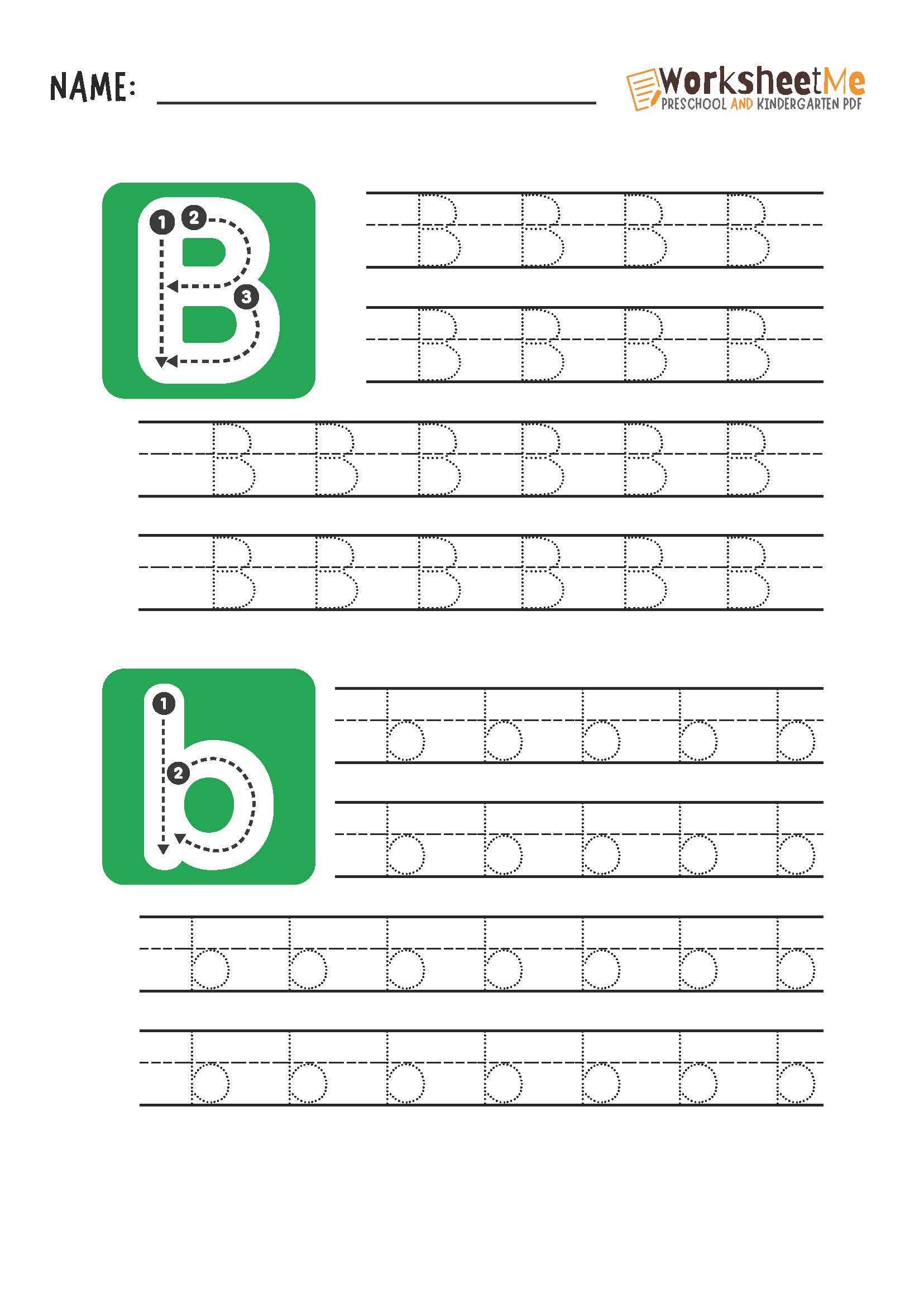
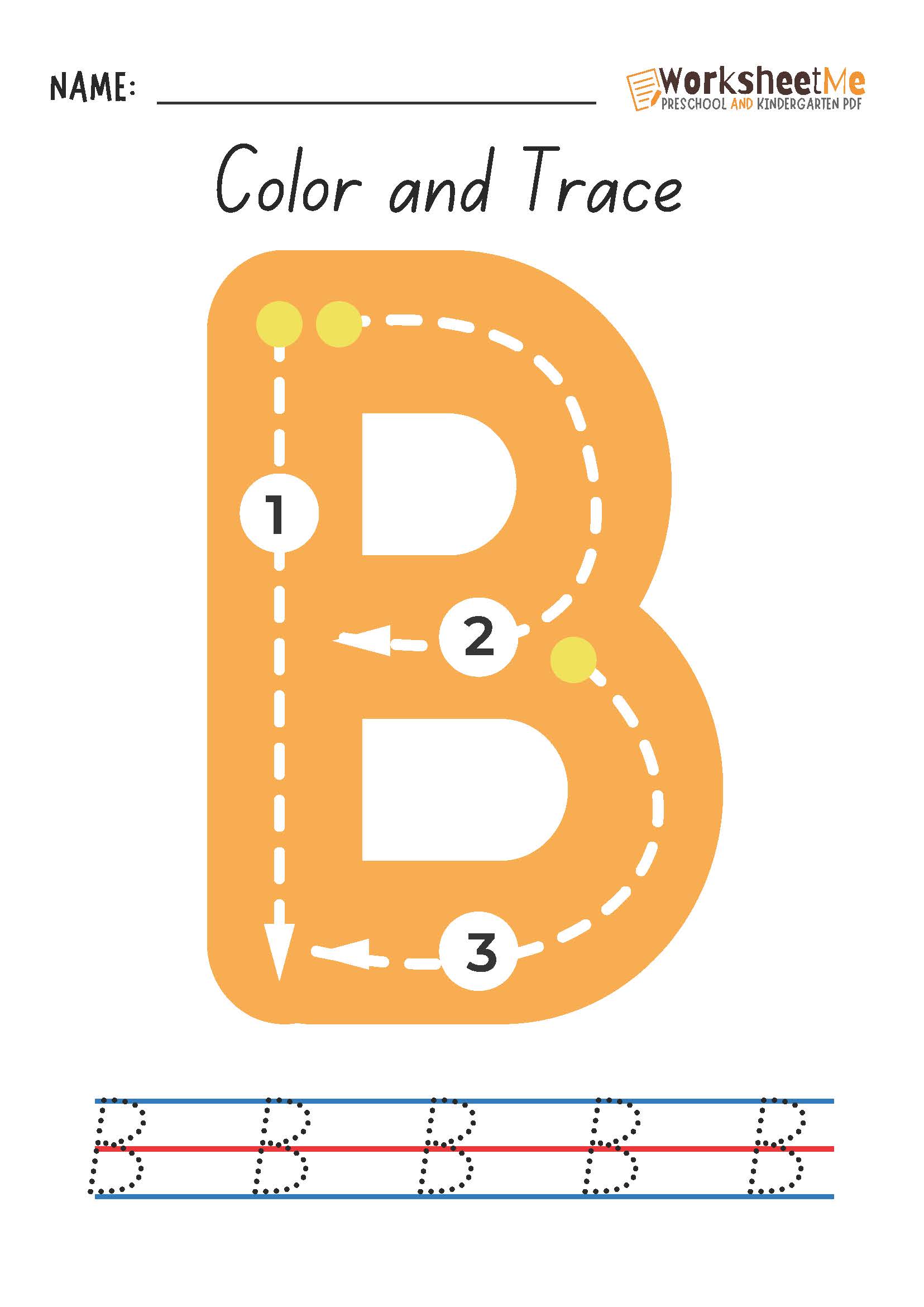
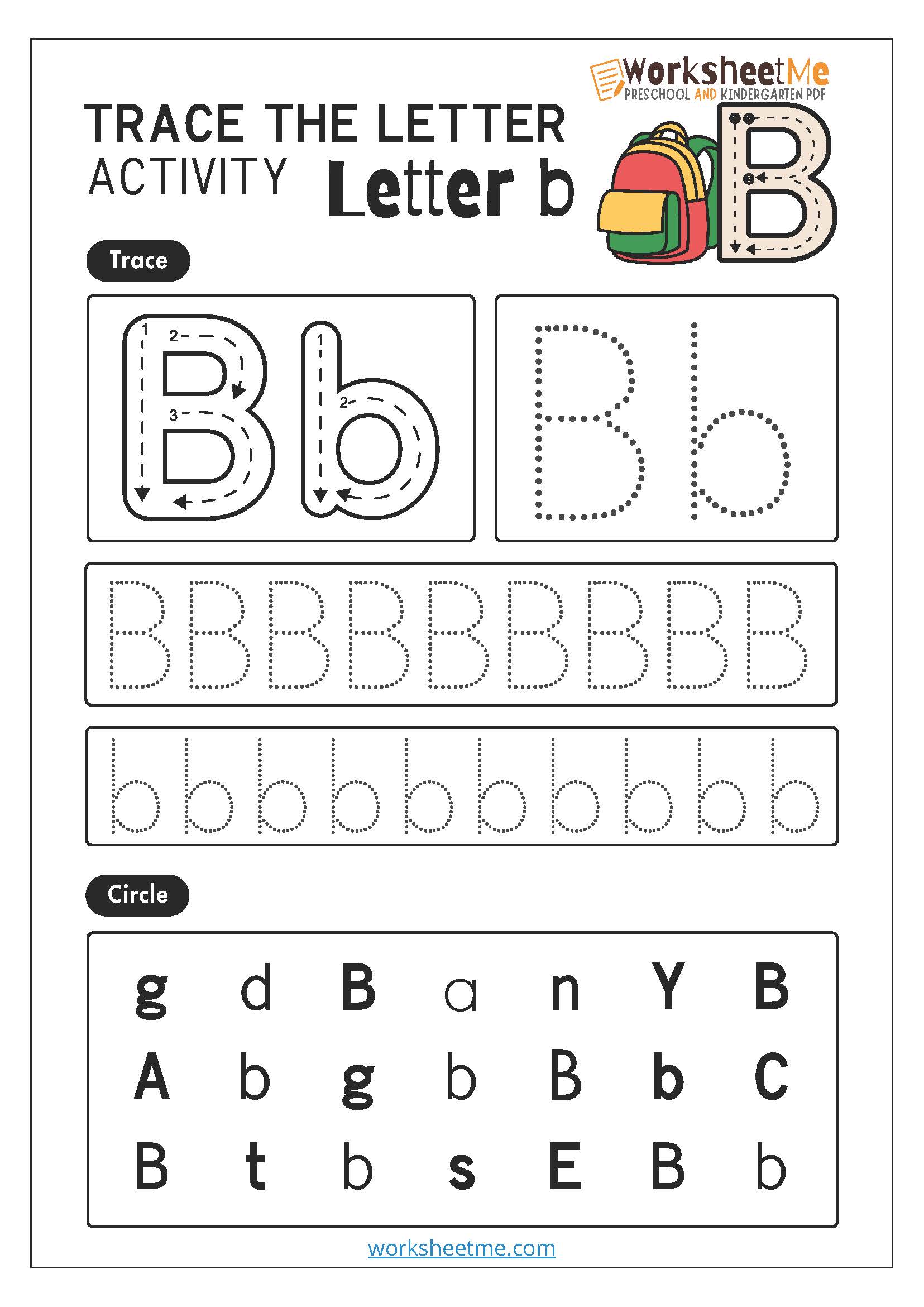
These pages are the foundation. They build the muscle memory needed to write the letter B correctly. Your child will get to practice tracing uppercase ‘B’, lowercase ‘b’, and simple lines and curves that make up the letter.
The act of tracing is more than just drawing; it develops crucial fine motor skills, which are essential for all future handwriting.
2. Recognition & Identification Activities
Once they know the shape, they need to be able to spot it in a crowd! These worksheets turn letter identification into a fun game.
- “Find the Letter B”: A page filled with many different letters, where your child’s mission is to find and circle all the ‘B’s’.
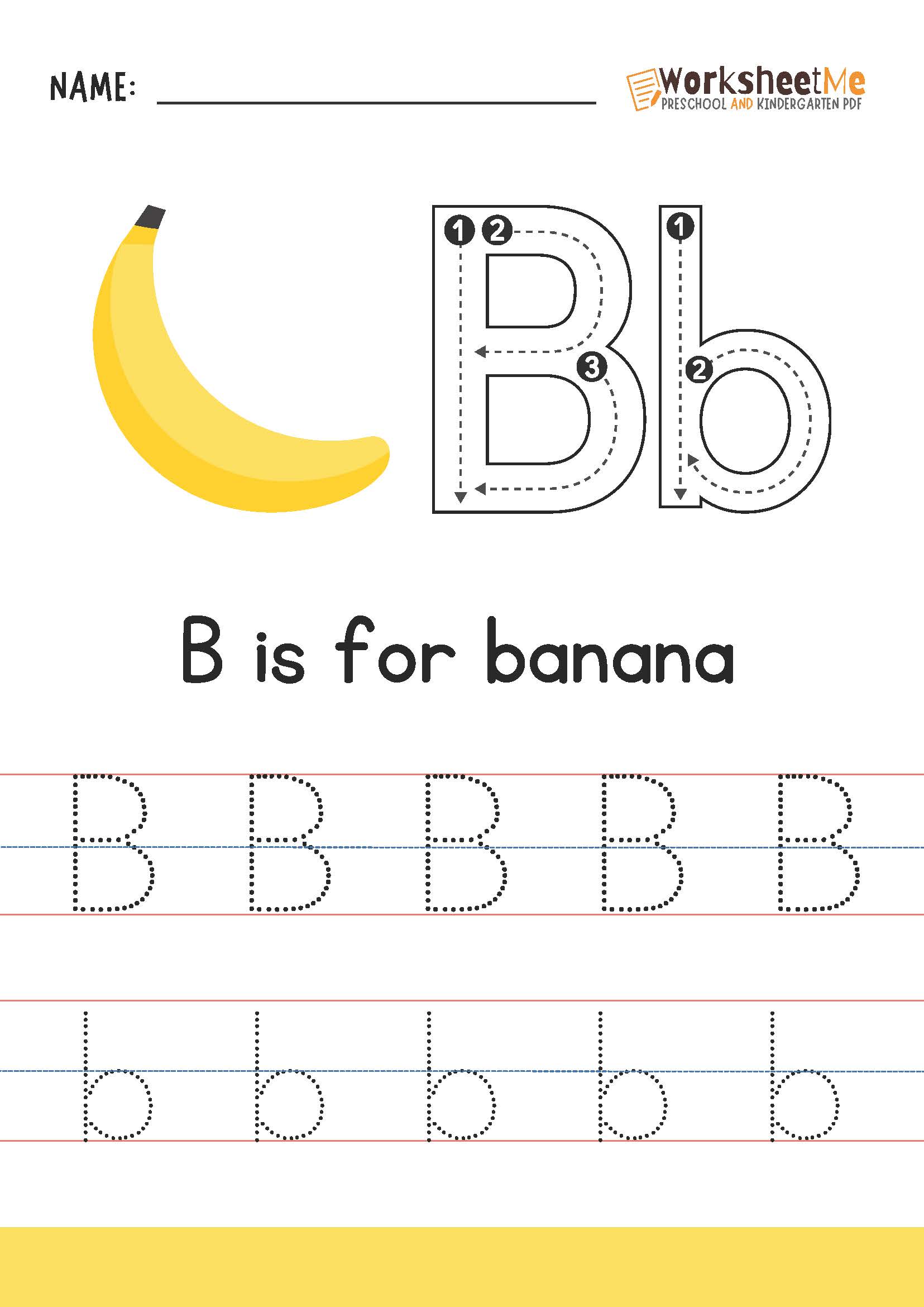
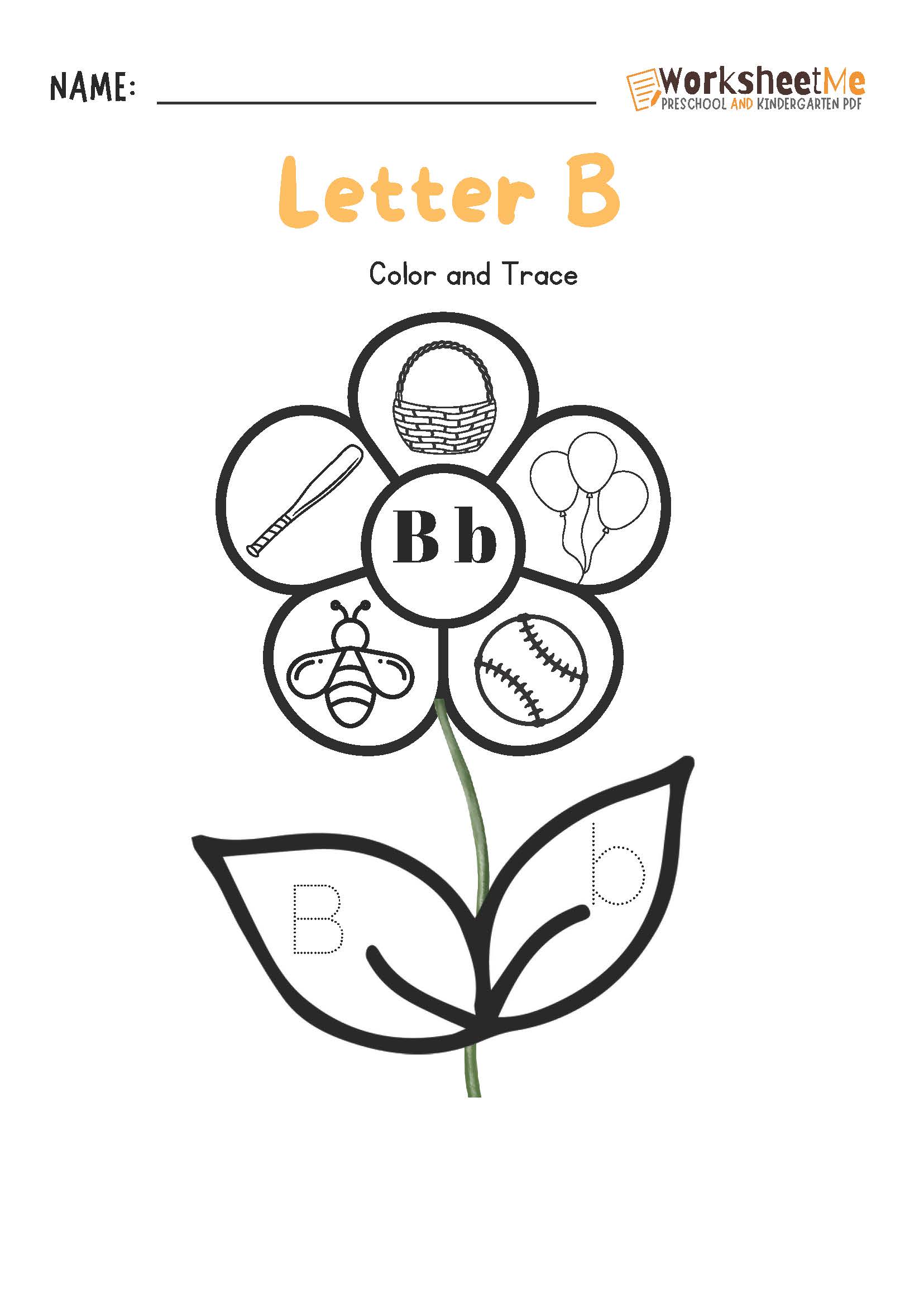
- “B is for…”: A classic coloring page featuring a large letter B and fun pictures of things that start with B, like ‘Ball’, ‘Bee’, and ‘Boat’.
3. Beginning Sounds Practice
This is where literacy truly begins. These activities help your child connect the visual shape of the letter ‘B’ to the /b/ sound it makes.
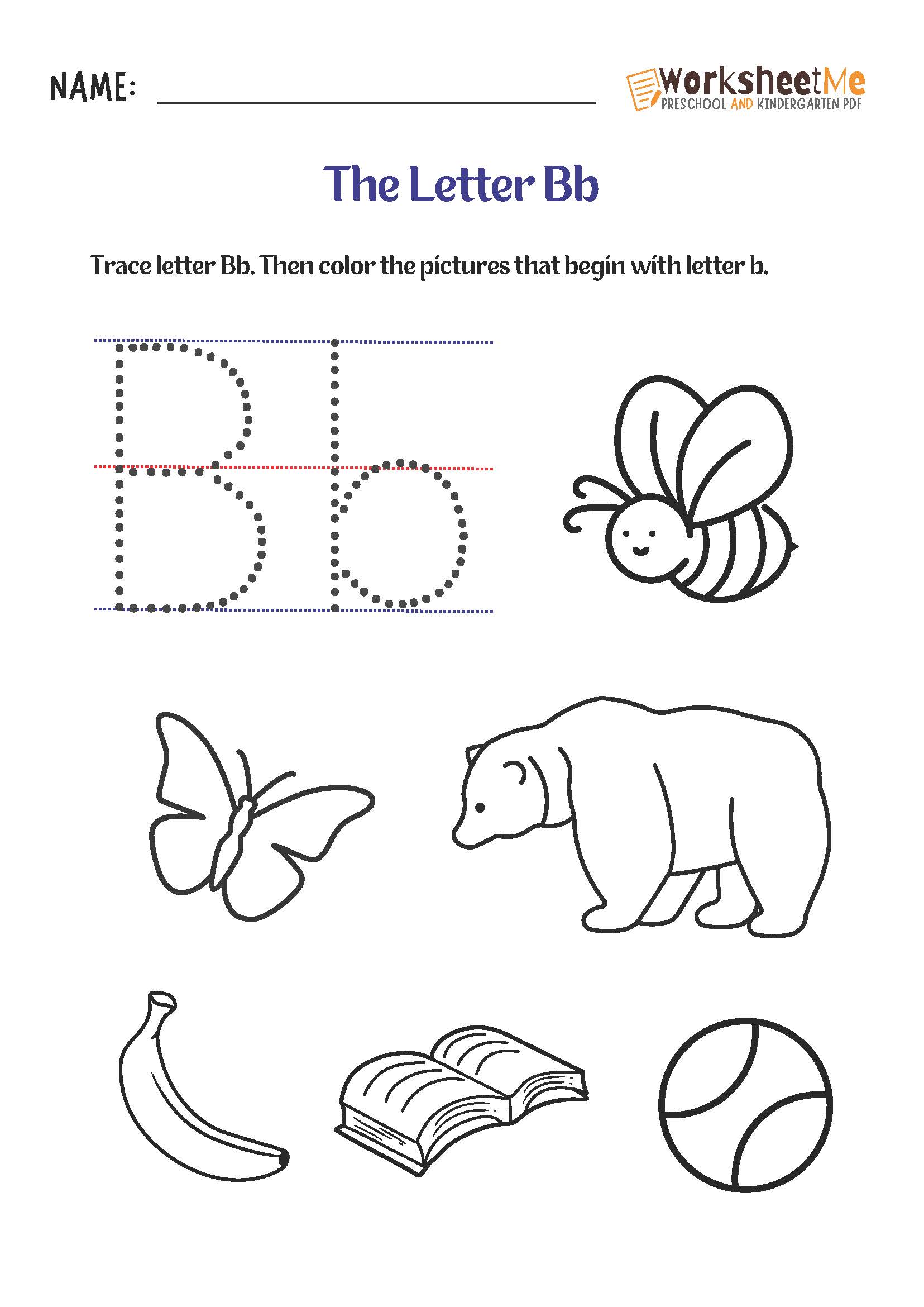
- “Color the ‘B’ Pictures”: A worksheet with various pictures, where your child has to color only the ones that start with the /b/ sound.
- “Do They Start with B?”: A simple cut-and-paste activity where children sort pictures into two columns: ‘Starts with B’ and ‘Does Not Start with B’.
4. Fun & Creativity
Learning should be joyful! The pack also includes fun, creative activities to celebrate the letter B.
- Letter B Maze: A fun maze that follows a path of ‘B’s’ to help a bee get back to its hive.
– Letter B Crown: A printable crown that your child can color, cut out, and wear to be the “King or Queen of B” for the day!
Ready to get started? Download your FREE 20-page pack now and choose the perfect activity for your child today!
Expert Tips for Using Your Letter B Worksheets (The ‘No-Tears’ Method)
Having a great resource is the first step, but how you use it makes all the difference. As experts in early childhood education, we know that the right approach can turn a potential worksheet battle into a moment of joyful connection. Here are our top tips for a ‘no-tears’ experience.
1. Let Them Choose
Instead of deciding which worksheet to do, offer a choice between two. “Do you want to do the ‘Find the B’ game or the ‘B is for Ball’ coloring page today?” This simple act gives your child a sense of autonomy and control, making them a willing partner rather than a passive participant.
2. Keep it Short & Sweet
A preschooler’s attention span is short. One or two worksheets in a single session is plenty. Aim for just 5-10 minutes of focused, successful practice. It’s far better to have a joyful 5-minute session than a tearful 20-minute one. Always stop before they get frustrated.
3. Use Fun Tools
Ditch the boring pencil! Let them use tools that feel like play. Tracing pages can be done with colorful dry-erase markers (if you laminate the page), finger paints, or even Q-tips dipped in paint. Coloring pages are more fun with glitter crayons or smelly markers. A novel tool can make any activity feel exciting.
4. Praise the Effort, Not the Perfection
This is the most important tip. The lines will be wobbly. They’ll color outside the lines. They might trace a ‘B’ backward. That’s okay! Your job is to be their cheerleader. Praise their effort: “I love how you are concentrating so hard!” or “You are working so carefully!” This focus on process, not product, builds resilience and a willingness to try hard things.
5. Connect it to Their World
After completing a worksheet, connect the letter ‘B’ to their real world. Go on a “B hunt” around the house. “Let’s find things that start with the /b/ sound! I see a… book! And a blue… ball!” This is a key part of our strategies for teaching the whole alphabet: making letters meaningful and relevant to a child’s life.
Your Top Letter B Questions Answered
As you start your ‘Letter of the Week’ adventure, some specific questions may come up. Here are our expert answers to common queries from parents.
My child keeps confusing 'b' and 'd'. Will this pack help?
Yes, but be patient as this is the most common letter reversal and it is developmentally normal for children up to age 7. This pack helps by providing a deep, multi-sensory dive into the shape and sound of 'b'. By focusing intensely on 'b' for a week, you help solidify its identity in their brain. When you introduce 'd' later, their understanding of 'b' will be much stronger, making it easier to tell them apart.
Should I teach uppercase 'B' or lowercase 'b' first?
Most educators recommend starting with uppercase letters. Uppercase 'B' is visually simpler and more distinct. Our pack includes practice for both, but we recommend focusing on mastering the uppercase 'B' first, and then introducing the lowercase 'b' as its 'partner'.
What age is this letter B activity pack best for?
This pack is ideal for children in the 3 to 5-year-old range. A 3-year-old might focus on the simpler coloring and sensory activities, while a 5-year-old will be ready to tackle the tracing and beginning sounds worksheets. The variety in the pack allows you to pick the perfect activity for your child's specific developmental stage.
What if my child isn't interested? Should I force them?
Absolutely not. Force is the enemy of learning. If they are not interested, it simply means that particular activity is not the right fit for that moment. Put the worksheet away and try a different approach from the pack later. Maybe instead of a tracing sheet, they'd prefer to 'write' the letter B with their finger in shaving cream. Always follow their lead and keep it playful.
From ‘B’ to ‘Z’: The Next Step in Your Alphabet Adventure
Mastering the letter ‘B’ is a huge accomplishment for your preschooler, and this free 20-page pack gives you all the tools you need to make it a fun and successful ‘Letter of the Week’. By celebrating their progress and keeping the learning playful, you are building a positive foundation for the entire alphabet.
When your child feels the pride of knowing the letter ‘B’ inside and out, they will be excited and motivated to ask, “What’s the next letter?”
For parents who are ready to take that next step and continue the adventure for every single letter from A to Z, our team has designed the ultimate resource. If you loved this sample, you will adore our complete A-Z Alphabet Worksheet Bundle. It contains a comprehensive, multi-page activity pack like this one for every single letter of the alphabet, giving you a full year’s worth of proven, play-based learning at your fingertips.
