

Does your preschooler have a motor that seems to be always on? Do they bounce from one toy to the next, struggle to sit still for a story, or have big emotional reactions to small problems? If you’ve ever found yourself pleading, “Just calm down for one second!”, you know how ineffective that command can be.
As a team of early childhood experts, we’re here to share a secret: calm is a skill, not a command. And the most playful and effective way to teach it is through mindfulness activities for preschoolers.
Why Teach Mindfulness to a Preschooler? (The Science Made Simple)
Before you picture your four-year-old sitting in silent meditation for an hour—don’t worry, that’s not what this is about! Mindfulness for young children is not about emptying their minds, but about helping them pay attention to the present moment in a fun, simple, and curious way.
t’s about teaching their busy brains to slow down for just a few seconds at a time. To understand why this is so crucial, it helps to first understand the beautiful, chaotic brain of a preschooler.
Meet Your Preschooler’s ‘Puppy Brain’
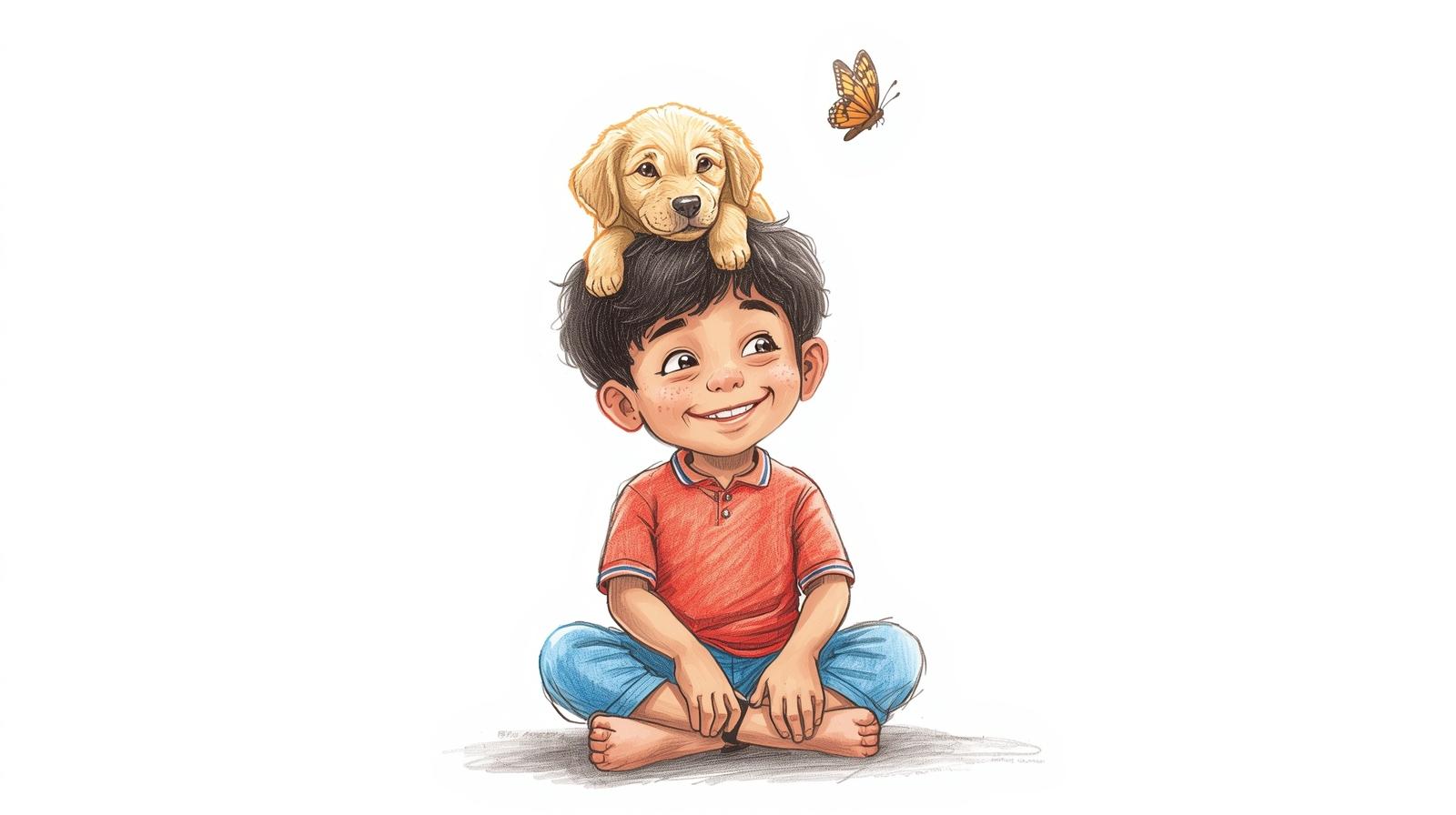
Imagine your preschooler’s brain is like an adorable, energetic, and untrained puppy. This ‘puppy brain’ is amazing! It’s incredibly curious, lives completely in the present moment, and gets wildly excited about every new sight, sound, and smell. However, this puppy brain also gets distracted easily, chases every ‘squirrel’ (new thought or toy), and has a hard time focusing on one thing for very long.
It doesn’t have a reliable ‘sit’ or ‘stay’ command yet. Mindfulness activities are like short, fun training sessions for this puppy brain. They are not about getting rid of the puppy’s energy, but about gently and playfully teaching it how to focus. A two-minute breathing game is like practicing ‘sit’.
A mindful listening activity is like practicing ‘stay’. By doing these simple exercises, you are giving your child the foundational tools for better focus, greater calm, and stronger emotional control for years to come.
The Lifelong Benefits of a Mindful Start
These short, playful activities are more than just a way to find a moment of peace in a chaotic day. You are actively wiring your child’s brain for lifelong emotional well-being. The consistent practice of mindfulness, even for just a few minutes a day, has profound and proven benefits.
- It Builds the ‘Attention Muscle’: In a world of constant digital distraction, the ability to focus is a superpower. Mindfulness activities are a direct workout for the parts of the brain responsible for attention and executive function.
- It Creates a ‘Pause Button’: Mindfulness teaches children to create a tiny space between a feeling and a reaction. Instead of an immediate meltdown when a toy is taken, they start to develop the ability to pause, breathe, and choose a better response. This is how mindfulness directly builds strong emotional regulation skills.
- It Quiets the ‘Worry Monster’: By focusing on their breath or the sounds around them, children learn they don’t have to be swept away by anxious thoughts. They learn that thoughts are like clouds passing in the sky—they can notice them and let them go. This is a foundational step that fosters positive self-talk and resilience.
By giving your child these tools in preschool, you are giving them an internal toolkit for managing stress that will serve them for the rest of their lives.
A Parent’s Toolkit: 15+ Play-Based Mindfulness Activities
Ready to get started? Remember, the key to success is to keep these activities short (1-3 minutes is perfect for a preschooler), playful, and pressure-free. Don’t worry about doing them ‘perfectly’. The goal is simply to introduce these moments of calm and focus into your daily routine. We’ve organized our favorite mindfulness activities for preschoolers into four fun categories.
Breathing Games: The Foundation of Calm
The breath is the most powerful and portable tool for calming the nervous system. These games turn a simple breath into a fun, concrete activity.
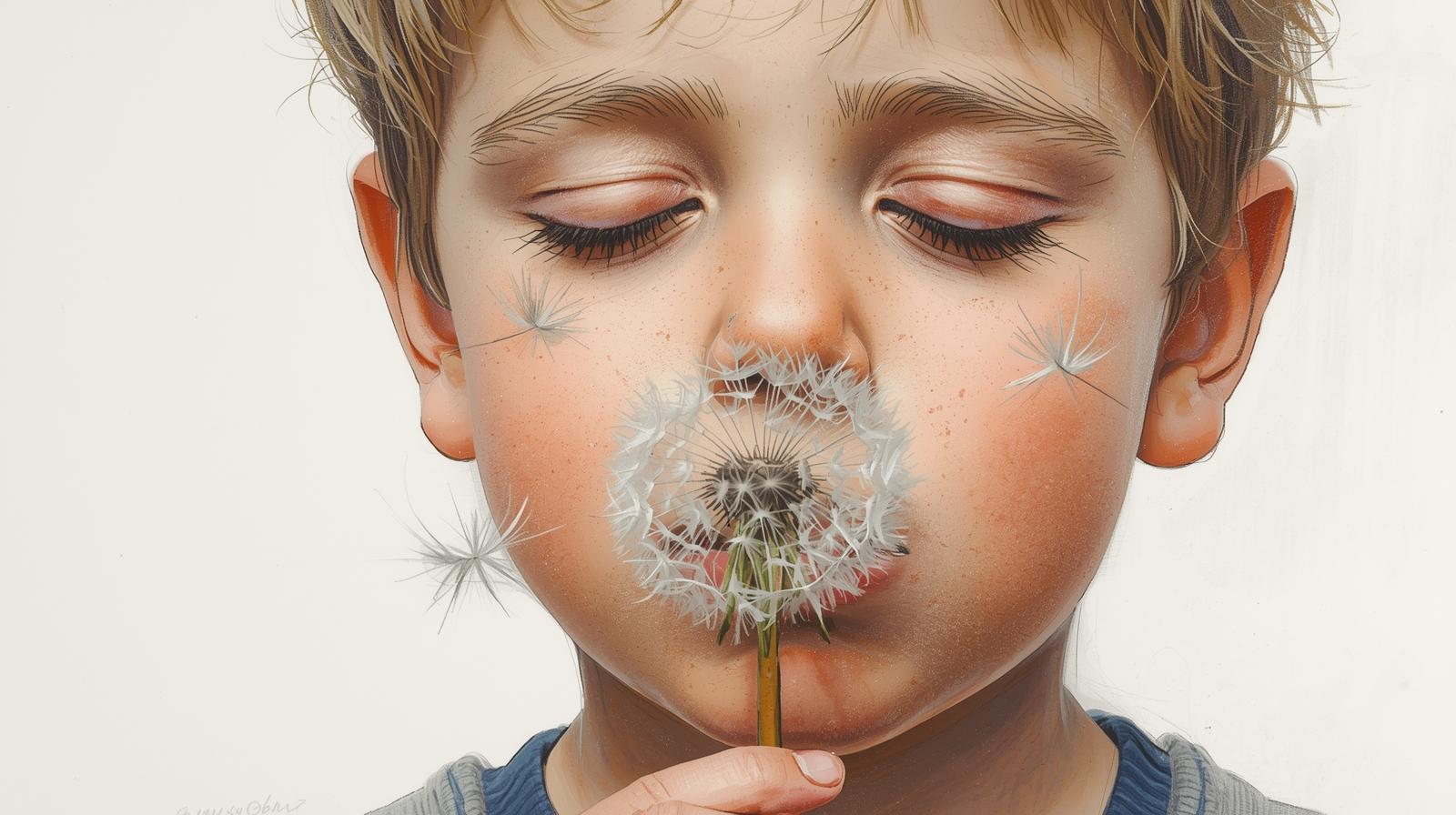
- Smell the Flower, Blow out the Candle: Hold up your index finger. “Let’s pretend it’s a beautiful flower. Take a big, slow sniff in through your nose to smell it.” Then, “Now, pretend it’s a birthday candle. Blow it out slowly and gently through your mouth.” Repeat 3-4 times.
- Belly Breathing with a Buddy: Have your child lie on their back and place a favorite small stuffed animal on their belly. “Let’s give your teddy bear a slow ride. Take a big breath in and make his tummy go up, up, up. Then, breathe out slowly and let him ride back down.”
- Snake Breath: Take a deep breath in through the nose. As you breathe out, make a long, hissing ‘ssssssss’ sound like a snake. See who can make the longest, slowest hiss.
- Bubble Breathing: Pretend to hold a bubble wand. “Let’s dip it in the pretend bubbles. Now, blow a very slow, gentle bubble so it doesn’t pop!” This encourages a long, controlled exhale, which is very calming.
Mindful Listening Games: Tuning Into the World
Our world is full of sounds we usually tune out. Mindful listening activities teach children to focus their attention on the present moment by using their sense of hearing. These are great for transitions or moments when you need to bring the energy down a notch.
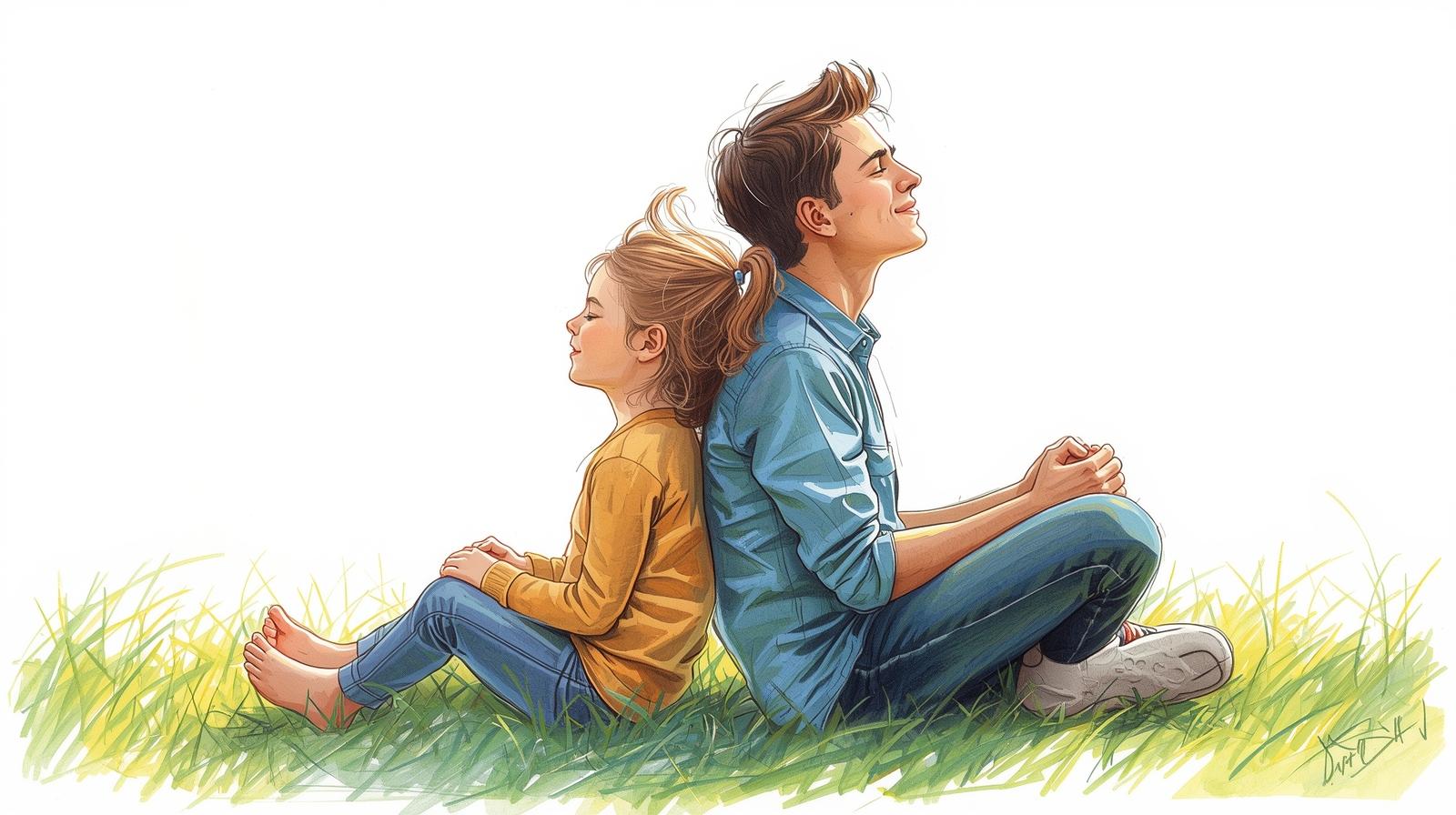
- The Listening Game: This is the simplest and most powerful listening activity. Ask your child to sit quietly, close their eyes (if they are comfortable), and just listen for 30 seconds. When the time is up, take turns sharing all the different sounds you heard. “I heard a bird outside… I heard the hum of the refrigerator… I heard a car drive by.”
- The ‘Silent Bell’ Game: If you have a small bell or a singing bowl, ring it once. Instruct your child to listen to the sound very carefully and to raise their hand the exact moment they can no longer hear it. This trains their auditory focus in a very concrete way.
- Mindful Music: Put on a piece of instrumental music (classical or ambient works well). Instead of dancing, lie on the floor together and just listen. Ask, “What does this music make you think of? Does it feel happy or sad? Fast or slow?”
- A Mindful ‘This or That’ Game: Turn a conversation game into a listening exercise. Ask your questions very slowly and calmly, and encourage your child to listen to the whole question before they answer. Pausing between each option can make a mindful version of our ‘This or That’ game a fun practice in patience and attentive listening.
Mindful Movement & Touch: Connecting to the Body
For many preschoolers, sitting still is the hardest part. The good news is that mindfulness can also be practiced through movement and touch. These activities help children connect to their bodies and the sensations of the present moment in an active way.
- The Slow-Motion Race: This is a hilarious and surprisingly challenging game. The rule is simple: you have to “race” to the other side of the room, but the person who gets there last is the winner. This forces children to slow down, pay attention to their muscle movements, and practice incredible self-control.
- A Mindful Walk (or “Spy Walk”): Go for a walk outside with a specific mission: to notice things you’ve never noticed before. Say, “Let’s be spies and look for tiny things.” You might notice the texture of a brick wall, a tiny bug on a leaf, or the way the wind feels on your cheeks.
- “Guess the Object” Sensory Bag: Place a few familiar objects with different textures in a non-see-through bag (a small rock, a cotton ball, a LEGO, a leaf). Have your child reach in without looking and use only their sense of touch to describe and guess the object.
- “Weather Report” on My Back: Have your child sit in front of you. Gently use your fingers to “draw” the weather on their back. You can make ‘raindrops’ with your fingertips, ‘sunshine’ with a circular motion, or ‘wind’ with a gentle blowing. Then switch roles. It’s a very calming and connecting sensory activity.
Mindful Eating & Emotions: Noticing What’s Inside
Mindfulness isn’t just about noticing the outside world; it’s also about paying attention to what’s happening inside our bodies and our hearts. These simple practices introduce that concept in a kid-friendly way.
- The ‘Scientist’ Raisin: This is a classic mindfulness exercise. Give your child a single raisin (or a small piece of cracker or fruit). Ask them to be a “food scientist” and investigate it with all their senses before they eat it. What does it look like? What does it feel like? What does it smell like? What does it sound like when you squish it? Finally, have them eat it very, very slowly, noticing the taste and texture.
- “Heartbeat Hug”: After a session of active play (like jumping jacks), have your child sit on your lap and place their hand on their own chest to feel their heartbeat. Say, “Feel how fast your heart is beating? It’s working so hard!” Then, sit together quietly for a minute and notice how the heartbeat slows down. This is a concrete way to teach them about the connection between their body’s energy and a state of calm.
- The ‘Glitter Jar’ for Big Feelings: This is both a craft and a powerful tool. Fill a clear jar with water, a few spoonfuls of glitter glue, and a lot of extra glitter. Seal it tightly. When your child is feeling a big emotion like anger or frustration, show them the jar. Say, “Right now, your mind is like this jar when I shake it. All your angry thoughts are swirling around, and it’s hard to see clearly.” Shake it vigorously. Then, set it down and watch together as the glitter slowly settles. Say, “See? If we sit and breathe quietly for a moment, our ‘thinking glitter’ settles, and our mind becomes clear again.”
Your Top Mindfulness Questions Answered
Starting a mindfulness practice with a young child can feel a little abstract. Here are our expert answers to the most common questions from parents.
What is the best way to explain mindfulness to a preschooler?
The best way is to not use the word 'mindfulness' at all! Use simple, playful language. You can call it 'Spy School' (where we practice our noticing skills) or 'Calm Power'. A great, simple definition is: 'Mindfulness is paying attention to right now, on purpose'. For a preschooler, that means noticing the taste of their cracker, the feeling of the wind, or the sound of a bird, even just for a moment.
My child won't sit still! How can I teach them mindfulness?
This is the most common and important question. Mindfulness for a 4-year-old is not about sitting still. It is about integrating moments of awareness into activities they are already doing. The 'Mindful Walk' or the 'Slow-Motion Race' are perfect examples of active mindfulness. The goal is not to stop their wiggles, but to help them pay attention to their wiggles.
What is a simple, 2-minute mindfulness activity I can do right now?
The 'Smell the Flower, Blow out the Candle' breathing game is the perfect place to start. It takes less than a minute, it is easy for a child to understand, and it has an immediate calming effect on the nervous system. Doing just three to four rounds of this simple breath is a powerful and complete mindfulness practice.
I've heard about mindfulness rules like the '3-3-3 rule' or the '5 R's'. What are they?
There are many wonderful acronyms and rules designed to make mindfulness easier to remember, like the 'ABCs of Mindfulness' or various 'C's' and 'R's'. While useful for adults, these can be too complex for a preschooler. Many 'rules' like the '3-3-3 rule' are grounding techniques for anxiety (Name 3 things you see, 3 sounds you hear, 3 things you can feel). Instead of teaching your child a rule, it is much more effective to simply embody it by playing a game like our 'Listening Game'.
How long should these activities last?
Keep it incredibly short. For a 3 or 4-year-old, a successful mindfulness practice might last only 30 to 60 seconds. The goal is frequency, not duration. One minute of mindful breathing every day is far more effective than trying to have one 10-minute session once a week. If you get one minute of focused, playful attention, you have succeeded.
When is the best time of day to practice mindfulness?
There are two great times. The first is during a calm, happy moment, like after a story or before a meal. This helps to build the skill when their brain is receptive. The second is as a tool during a transition, which is often a stressful time. For example, doing a few 'Snake Breaths' together in the car before walking into a busy store can make a world of difference.
Conclusion: Small Moments, Big Impact
As we’ve discovered, teaching mindfulness to preschoolers isn’t about adding another complicated task to your to-do list. It’s about weaving small, intentional moments of awareness into the life you are already living. It’s about transforming a deep breath into a game, a simple walk into a spy mission, and a moment of frustration into an opportunity to watch the glitter settle.
Your role is not to be a meditation guru, but a playful guide. By embracing these simple practices, you are giving your child more than just a tool to calm down; you are giving them the foundational skills for focus, resilience, and emotional intelligence. You are teaching them that even in a busy, noisy world, they can always find a quiet, safe space within themselves.
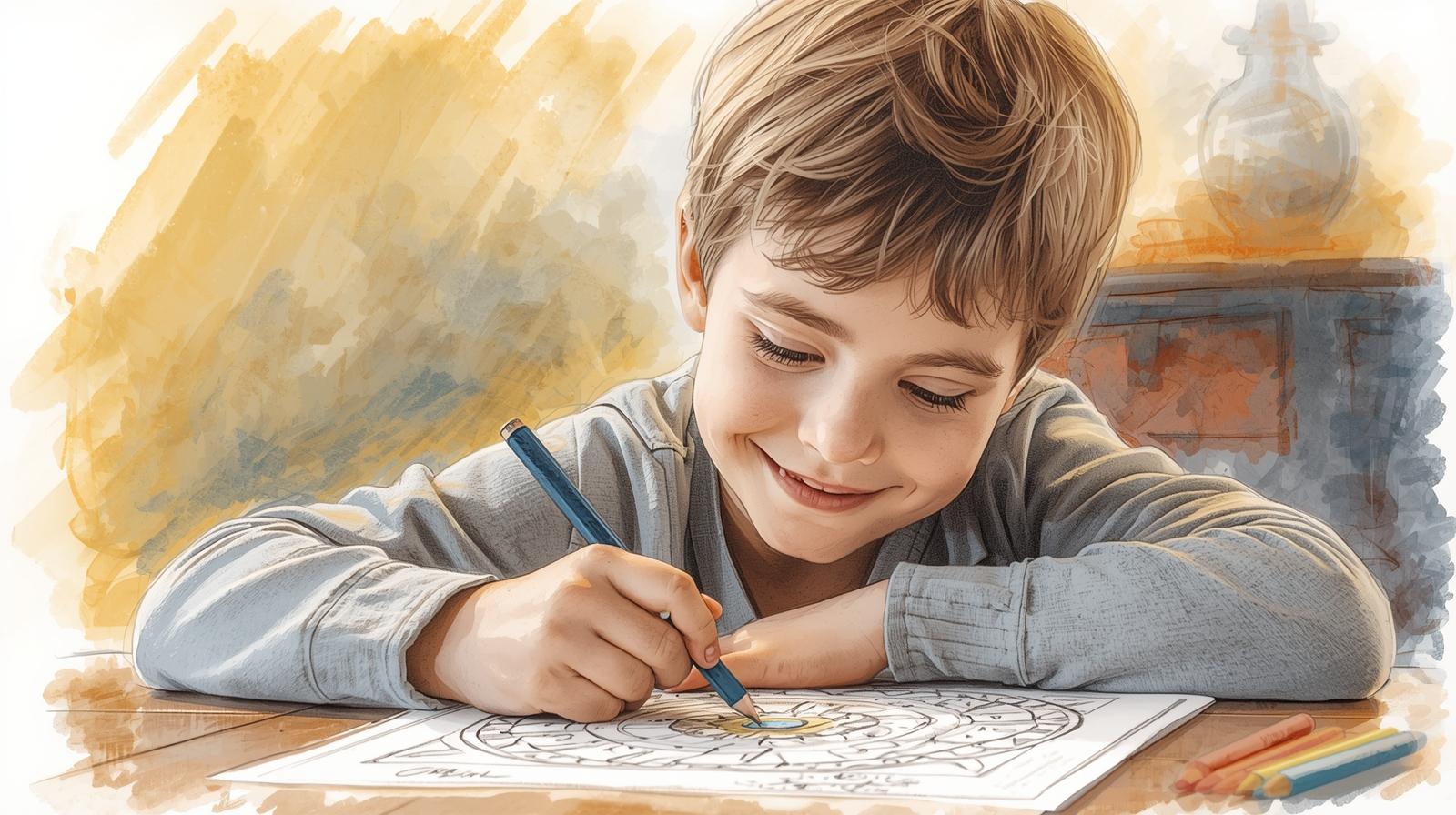
Many of these calming skills are best practiced during ‘quiet time’. To give you a library of engaging, low-pressure activities perfect for these moments, our team has designed our complete bundle of quiet time activities. It’s filled with hundreds of pages of simple mazes, coloring sheets, and tracing activities that naturally encourage focus and calm.