

The backpack is packed, the tiny outfit is chosen, and the first day of kindergarten looms with a mix of excitement and nervous butterflies. As a team of early childhood experts, we know that parents often focus on capturing the perfect ‘first day’ photo, complete with a celebratory sign.
And while we love that tradition, our experience has shown us that a truly successful first day is built on what happens after the camera clicks.
Many guides offer generic tips, but they often miss the mark by either being too focused on classroom logistics (which is the teacher’s job) or too vague on practical steps.
This guide is different. We’ve combined the practical wisdom of seasoned kindergarten teachers with the emotional intelligence needed to support your child through this huge transition. It’s not just a list of ideas; it’s a strategic plan.
Here, you’ll find everything you need: a countdown checklist for the week before, a tear-free timeline for the big morning, and even a free printable ‘Success Kit’ to make the day both meaningful and memorable. Let’s build a plan for a first day that feels as good as that photo looks.
The ‘Week Before’ Checklist: Your Countdown to Success
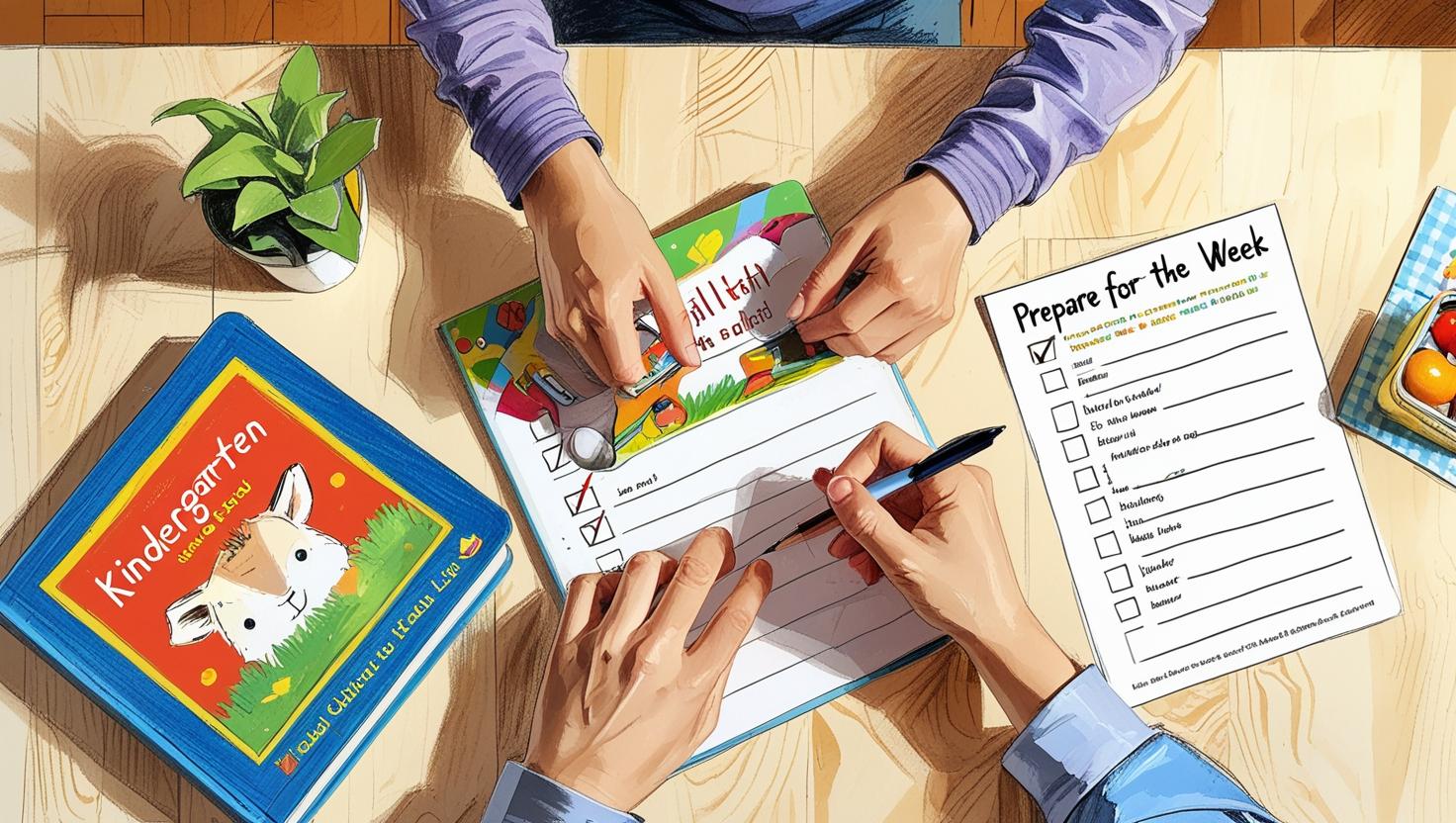
A successful first day of kindergarten doesn’t start on the day itself; it starts with a calm and prepared week leading up to it. As a team of experts, we’ve seen that a little prep work during this ‘countdown’ week can drastically reduce stress for the entire family. These aren’t just chores; they are strategic first day of kindergarten tips to build confidence and familiarity.
1. Practice the Full Morning Routine
Don’t let the first day of school be the first time you attempt your new morning schedule. At least a few days before, start waking your child up at the school-day time. Go through the entire sequence: getting dressed (let them pick their outfit!), eating a healthy breakfast, and brushing teeth. This practice run removes the element of surprise and helps you troubleshoot any timing issues without the pressure of a ticking clock.
2. Do a ‘Dry Run’ to the School
This is a game-changer for easing anxiety. Go through your full morning routine and then actually travel to the school. Walk to the bus stop or drive to the drop-off line. Point out the main entrance. Let them see the playground.
This simple act transforms the school from a big, abstract ‘unknown’ into a real, familiar place. Familiarity is the antidote to fear for young children. After your dry run, do something fun to create a positive association.
3. ‘Attack the Lunchbox’
If your child is bringing a lunch from home, their ability to eat independently is a huge factor in their day. A week before school, do a practice lunch at home using their actual lunchbox and containers.
Can they open the thermos? Can they manage the zip-lock bag? Can they peel their own orange? Identifying and solving these small challenges at home prevents a frustrating meltdown in a busy cafeteria.
4. Read Books as Emotional Rehearsal
Books are a safe way for children to ‘rehearse’ the big feelings associated with starting school. Read stories like ‘The Kissing Hand’ or ‘The King of Kindergarten’ every night during the week before. Talk about how the characters are feeling. This gives your child the vocabulary and the space to talk about their own nerves and excitement.
A Timeline for a Tear-Free Morning: What To Do on The First Day
The big day is here! Your preparation will now pay off. The goal for the morning is to stay calm, positive, and connected. Children are emotional co-regulators, meaning they mirror the emotional state of their trusted adults. Your calm is their calm. Here’s a simple timeline to follow.
Step 1: The Champion’s Breakfast
Start the day with a healthy, protein-rich breakfast that won’t cause a sugar crash. Avoid offering a huge, special breakfast they’ve never had before; familiarity is comforting. While you eat, don’t focus on school. Talk about a fun thing you’re going to do after school, or a happy memory. Keep the mood light and positive.
Step 2: The Journey and Arrival
Thanks to your ‘dry run’, the journey to school should feel familiar. On the way, play some of their favorite upbeat songs. When you arrive at the school, project confidence. Walk them to their designated entrance, point out their teacher if you see them, and remind them of the fun things in their classroom. Your positive energy is contagious.
Step 3: The Goodbye Ritual
This is the most critical moment. It’s time for the goodbye ritual you’ve practiced. Give them a big hug, say your special phrase (“I love you, have a great day, I will be back soon!”), and then—this is the hardest part—turn and leave without lingering. A long, drawn-out goodbye signals to your child that there is something to be afraid of.
Your confidence gives them permission to be confident. It’s normal for them (and you!) to feel a wave of emotion. For parents who want a deeper toolkit for these big feelings, we have a complete guide on managing back-to-school anxiety.
Make It Memorable: Your Free ‘Sign First Day’ Printable Kit
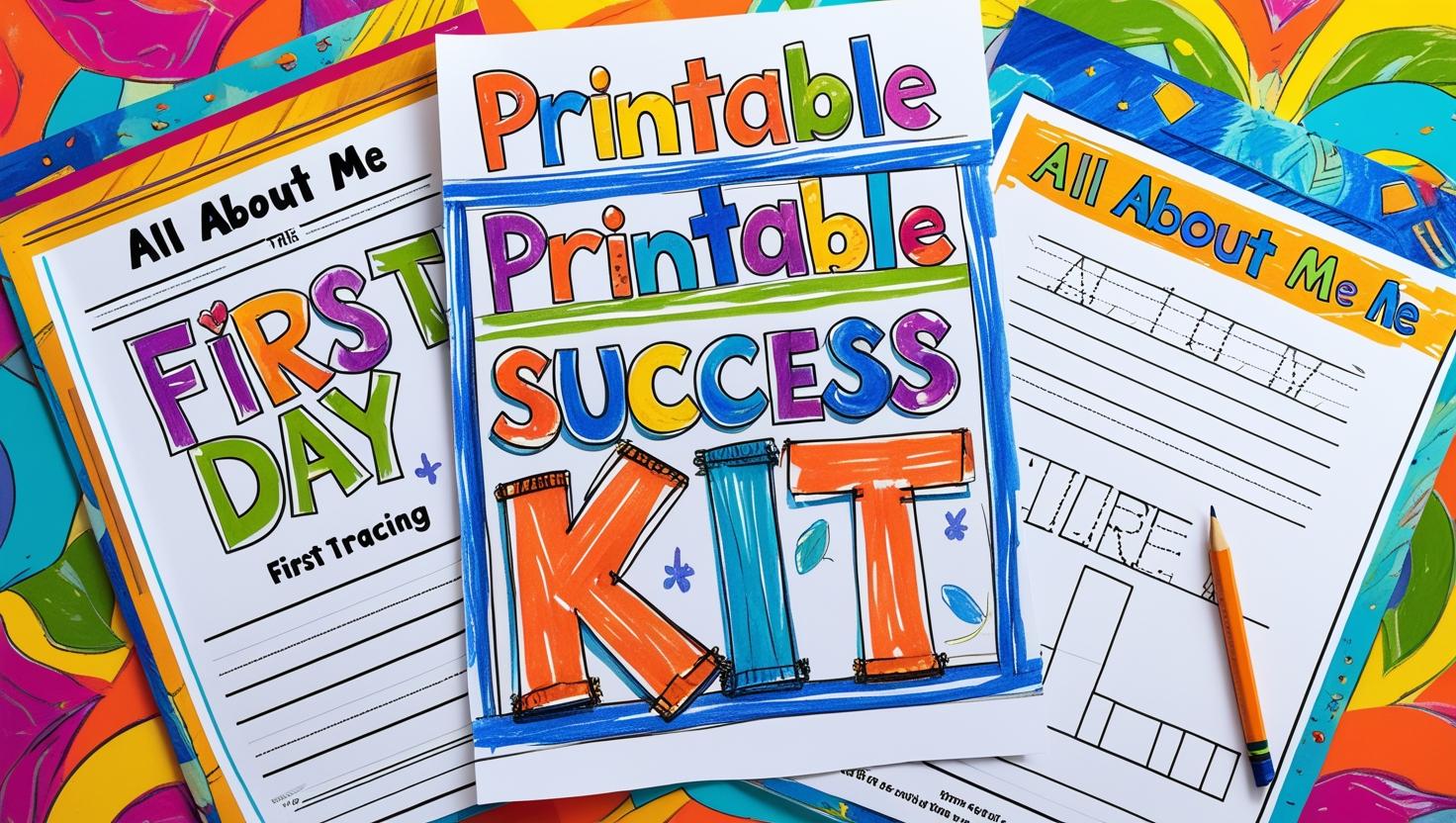
Beyond the logistics, the first day of kindergarten is a major life milestone worth celebrating. To help you capture the memory and turn it into a fun, educational experience, our team has designed a free ‘First Day’ printable kit. It’s the perfect way to channel all that nervous excitement into a positive activity and create a keepsake you’ll cherish for years.
1. The ‘My First Day of Kindergarten’ Sign (free pdf download)
No first day is complete without the classic photo! We’ve created a beautifully designed, printable sign that you can download and print at home. It has dedicated spaces for you and your child to fill in their name, their age, their teacher’s name, and what they want to be when they grow up. It’s a simple way to elevate your first-day photo and start a wonderful tradition.
→ Download free: My First Day of Kindergarten’ Sign
2. The ‘All About Me’ First-Day Interview
What are their favorite things right now? Who is their best friend? What are they most excited to learn? Instead of just asking, document it! After school, sit down together and fill out a fun ‘All About Me’ worksheet. It’s a fantastic conversation starter and a priceless snapshot of their personality at this exact moment in time.
3. Their ‘Official First-Day Signature’
Make the day feel extra official by having them ‘sign’ their interview sheet. This isn’t about perfect handwriting; it’s about celebrating their new identity as a kindergartener. It’s also a wonderful, low-pressure opportunity to have them practice writing their name in a context that feels meaningful and proud. For many kids, this is the first ‘important’ document they’ll ever sign!
After the Bell Rings: Questions and Activities for a Happy Afternoon

You both survived! The pickup after the first day of kindergarten is a moment filled with emotion. Your child has just navigated a brand new social and logistical world for hours, and they are likely exhausted, overstimulated, and overwhelmed. How you handle this crucial transition can set the tone for the rest of the week.
1. Tame the ‘After-School Meltdown’ Before It Starts
Many parents are shocked when their sweet child transforms into a grumpy, emotional mess the moment they get in the car. This is completely normal. They’ve held their emotions and behavior together all day, and they finally feel safe enough with you to let it all out. Here’s the secret to managing it:
- The Power of the Snack: Have a healthy, protein-rich snack and a water bottle ready the second they see you. Low blood sugar is the number one cause of after-school meltdowns.
- Prioritize Decompression: Resist the urge to pepper them with questions. The single most important thing they need is about 20-30 minutes of quiet, unstructured downtime. No errands, no questions, no pressure. Let their brains and bodies recharge.
2. Ask Better Questions
The question “How was school?” will almost always get you a one-word answer: “Fine.” To open up a real conversation, you need to ask better, more specific questions. Try these after they’ve had time to decompress:
- “What was the funniest thing that happened today?”
- “Who did you sit with at lunch?”
- “What was one thing the teacher said that made you smile?”
- “Did you play a game at recess? What were the rules?”
3. Plan a Simple, Connecting Activity
You don’t need a huge celebration, but marking the day with a simple, connecting activity reinforces that school is a positive thing. This is the perfect time to do the ‘All About Me’ interview from our printable kit. Other great first day of kindergarten activities include:
- Reading one of the books they brought home from school together.
- Going to the park to burn off any remaining energy.
- Starting a ‘school-year scrapbook’ with the ‘All About Me’ page and their first-day photo.
The goal is connection, not interrogation. This shows them you care about their experience and are there to support them.
10 F.A.Q. About the First Day Answered
It’s normal to have a lot of specific questions as the big day approaches. Our team has compiled answers to the most common queries we hear from parents.
What if my child cries and won't let me leave?
This is the hardest moment for any parent. The absolute best strategy is our 'Confident & Quick Goodbye' method. Give them one last, firm hug, say your practiced goodbye phrase, and hand them off to the teacher. Then, you must walk away without looking back, even if it breaks your heart. Lingering signals to your child that there might be a reason to be scared. Trust us, the teachers are experts at redirecting and comforting children. The tears almost always stop within minutes of you leaving.
Should my child know how to read before the first day?
Absolutely not. This is a huge source of unnecessary stress. There is no expectation that a child entering kindergarten can read. Our job as educators is to teach them! The most helpful pre-reading skill you can foster is simply a love for stories. Reading to your child every night is far more valuable than drilling them on phonics.
What are the most important things to pack in their backpack?
Less is more. A kindergarten backpack should be light enough for them to carry themselves. The absolute essentials are: 1. A folder for papers. 2. A lunchbox (if they're bringing lunch). 3. A reusable water bottle. 4. A complete change of clothes (including socks and underwear) in a labeled plastic bag for accidents. Anything else, like supplies, will be specified by the teacher.
What's the best 'first day of kindergarten' advice for the PARENTS?
Manage your own emotions. Your child will take their emotional cues directly from you. It's okay for you to feel sad or nervous—this is a huge milestone!—but try your best to project an air of calm, positive excitement in front of them. Acknowledge your feelings, but plan a coffee date with a friend to decompress *after* you've left the school, not during the drop-off.
How can I help my shy child make friends?
Focus on 'scaffolding' their social skills before school starts. Role-play at home how to ask another child 'Hi, what's your name?' or 'Can I play too?'. If the school offers a 'meet the teacher' day or a summer playdate, make it a priority to go. Helping your child recognize just one or two friendly faces on the first day can make a world of difference.
What if my child says they 'did nothing' all day?
This is the classic kindergartener response! Their day is so full of new information that they often can't recall specific events. It doesn't mean they did nothing. To get better answers, ask specific, playful questions after they've had a snack and some downtime. Try 'What was the silliest thing a friend did today?' or 'Tell me about one book the teacher read'.
Is it a good idea to send a gift for the teacher on the first day?
It's a kind thought, but absolutely not necessary and sometimes overwhelming for teachers on a chaotic first day. A heartfelt, handwritten card from you and your child a week or two into the school year, once you've gotten to know them a bit, is far more meaningful. If you must send something, items for the whole class—like a box of good-quality tissues or hand sanitizer—are always appreciated.
What's a good quote or message to write in a card for my child?
Keep it simple, loving, and confidence-boosting. Tuck a small note in their lunchbox. A great message is: 'I am so proud of my big kindergartener! Have a wonderful day full of play and fun. I love you!' Or a quote like, 'The beautiful thing about learning is that no one can take it away from you'.
The Adventure Begins: A Final Word for Kindergarten Parents
You’ve reviewed the checklist, practiced the routine, and prepared for the big emotions. The first day of kindergarten is so much more than a single date on the calendar; it’s the beginning of a grand adventure for your child and your entire family. The goal of all this preparation is not to ensure a ‘perfect’ day, but to build a foundation of confidence that will carry your child through the entire school year.
Remember, your calm and positive energy is the most powerful tool you have. You are your child’s anchor in this exciting new world. By focusing on connection, celebrating their courage, and partnering with their teacher, you are giving them everything they need to thrive.
As the excitement of the first day settles into a weekly routine, your child’s curiosity for learning will blossom. To keep that momentum going, our team has designed a perfect next step. If you want to continue the learning journey at home in a way that feels like play, our comprehensive Alphabet Worksheet Bundle is filled with fun, engaging activities to help them master the ABCs with joy.