

As a team of early childhood experts, we often see parents focus on tangible skills like counting or recognizing letters. But what if we told you that one of the single most important predictors of future reading success is something much more playful? We’re talking about rhyming.
The ability to hear, identify, and play with the sounds in words is a critical piece of the puzzle of what kindergarteners should know, and it builds a powerful foundation for literacy.
Research consistently shows that a child’s phonological awareness—their ability to tune into the sounds of language—is the bedrock upon which all other reading skills are built. Rhyming is the first, most joyful step on that journey.
It’s not just a fun game; it’s a fundamental workout for your child’s brain, preparing them for the complex task of learning to read. For a complete overview of all the skills your child will be developing, you can explore our full guide on what kindergarteners should know.
The good news is that teaching rhyming is simple and doesn’t require drills. This guide will provide you with a clear, 3-step progression and a toolkit of fun rhyming kindergarten activities, words, and worksheets to make learning a delight.
The Developmental Timeline of Rhyming: What to Expect and When
Before we dive into the ‘how’, it’s crucial to understand the ‘when’. Rhyming is a skill that develops in predictable stages. Knowing this timeline will help you provide the right activities at the right time and, most importantly, will reassure you that your child is on the right track.
- Ages 2-3 (The ‘Music’ Stage): At this age, the goal is simply exposure. Toddlers can enjoy the rhythm and music of nursery rhymes and rhyming songs. They are not expected to identify or produce rhymes, but their brains are building the neural pathways to recognize sound patterns.
- Ages 3-4 (The ‘Listener’ Stage): This is the golden age for identifying rhymes. A typical 4-year-old, after some practice, can hear two words (like ‘cat’ and ‘hat’) and tell you that they rhyme. They can pick out the rhyming pair from a group of three pictures. They are not yet expected to create their own rhymes.
- Ages 4-5 (The ‘Creator’ Stage): In late preschool and kindergarten, children begin to make the leap from identifying to producing rhymes. They can start to answer the question, “What rhymes with ‘bug’?” with words like ‘rug’ or even a silly nonsense word like ‘zug’. This is the primary age group this guide is focused on.
Understanding this progression is key. Never pressure a 3-year-old to produce a rhyme; instead, celebrate that they can hear one!
Step 1: Start with Hearing & Identifying Rhymes (The ‘Listen and Find’ Phase)
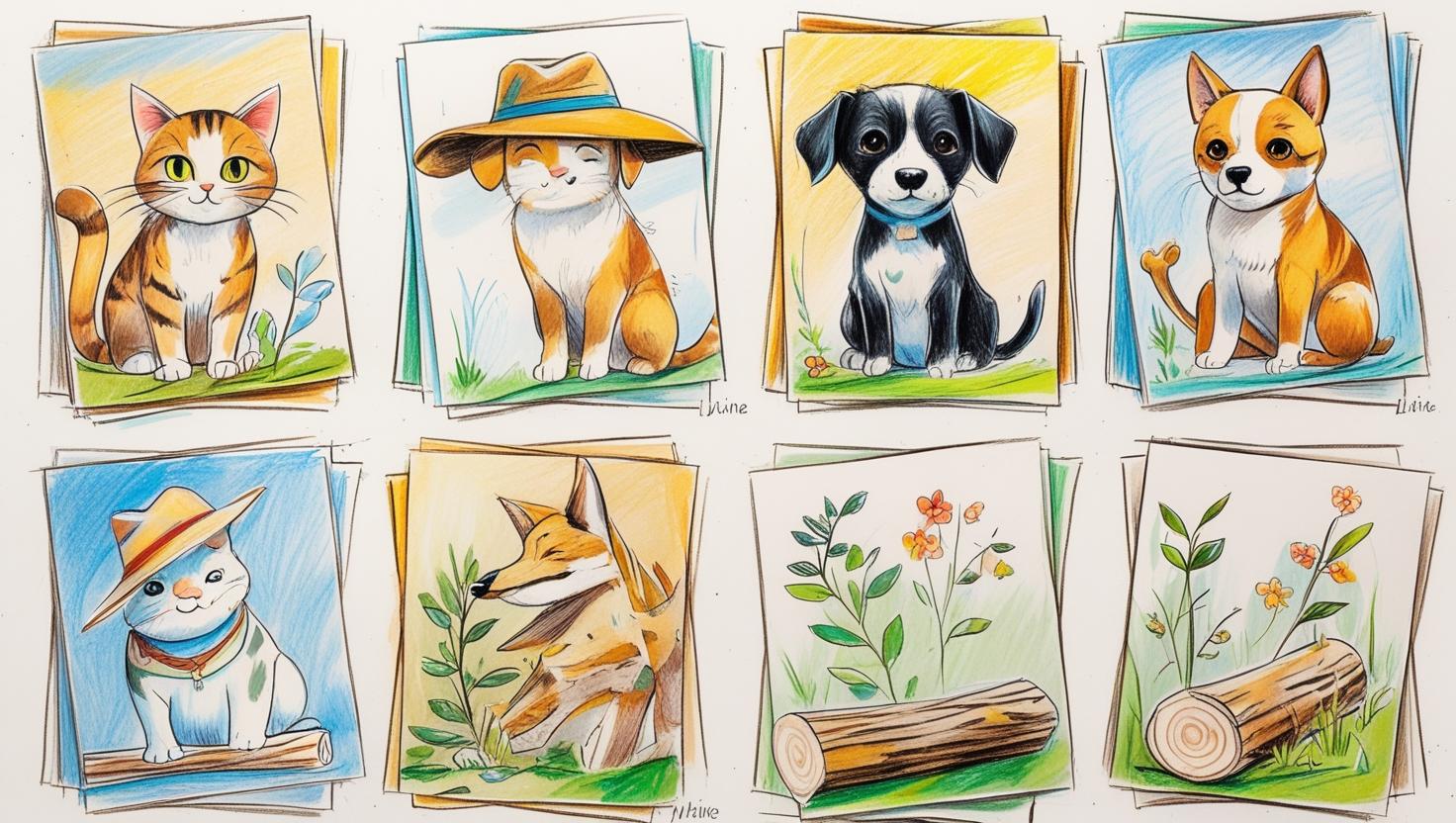
Before a child can create their own rhymes, their brain must first learn to recognize the pattern. This initial phase is all about exposure and identification. As experts, we follow a clear developmental progression: a child must first learn to hear and identify a rhyme before they can be expected to produce one. Rushing this first step is a common mistake that can lead to frustration.
The goal here is to fill their world with the sounds of rhyming words in a fun, no-pressure way. To make this incredibly easy for you, our team has developed a comprehensive toolkit. You can start right now by downloading our FREE Rhyming Worksheet Activity Pack (14 pages!). It’s packed with the visuals and worksheets you’ll need for this journey.
Start with Simple Rhyming Words (CVC Words)
The easiest way to begin is with simple, one-syllable words where only the first sound changes. These are often called CVC (Consonant-Vowel-Consonant) words. Show your child pictures of these pairs and say the words out loud, emphasizing the part that sounds the same.
- cat / hat
- dog / log
- sun / run
- bug / rug
- pen / hen
- pig / dig
Simply reading these pairs aloud and having your child repeat them is a powerful first step in tuning their ear to the music of language.
Step 2: Fun, Everyday Rhyming Activities (The ‘Play and Practice’ Phase)

Once your child’s ear is tuned to hearing rhymes, you can move into the playful practice phase. The goal is to make rhyming a natural and fun part of your daily routine, not a formal lesson. These rhyming kindergarten activities are designed to be quick, engaging, and highly effective.
1. Read Nursery Rhymes and Rhyming Books—The Right Way
Reading classic nursery rhymes and books by authors like Dr. Seuss is fantastic for exposure. But to make it an active learning experience, don’t just read the words. Pause before the second rhyming word and let your child fill in the blank. For example, “Twinkle, twinkle, little star, how I wonder what you…” (let them shout “are!”). This simple tweak turns passive listening into active participation and helps to develop crucial language skills.
2. Play the ‘Rhyming Name Game’
Children love nothing more than the sound of their own name, making this a super-engaging activity. Simply make a silly rhyme with their name and the names of family members. “Let’s get a snack for Jack-Jack-bo-back!” or “Time to go, Chloe-Chloe-bo-boey!”. It’s a fun, personalized way to practice rhyming on the go. This also helps build name recognition, which is a great first step before they practice writing their name.
3. Use Music and Songs
Music is a powerful tool for learning. Songs like “Down by the Bay” are specifically designed to teach rhyming in a call-and-response format that children love. Search for “rhyming songs for kids” on YouTube for a nearly endless supply of fun, active ways to practice.
4. The ‘Mystery Bag’ Game
This is a classic classroom game that’s easy to replicate at home. Place several small, familiar objects in a bag (e.g., a toy car, a block, a spoon). Pull one item out and say its name, like “car.” Then, ask your child, “Can you think of a word that sounds like ‘car’? Like… ‘star’?” This simple game is a great way to practice identifying and even producing rhymes in a hands-on way.
Step 3: Encouraging Kids to Create Their Own Rhymes (The ‘Creative’ Phase)
This is the final and most advanced step in teaching rhyming. Producing rhymes on their own requires a child to hold a sound in their memory and then search their vocabulary for a match. Don’t worry if this takes a while to develop; it’s a big cognitive leap!
1. Play “I’m Thinking of a Word…”
This is a simple, no-materials-needed car game. Start with a word and give them a clue. “I’m thinking of a word that rhymes with ‘bug’ and that you sleep under… (a ‘rug’!).” Or, “I’m thinking of a word that rhymes with ‘mouse’ and that you live in… (a ‘house’!).” This game gently scaffolds the process of producing a rhyme.
2. Embrace the Nonsense
This is the most important secret for this phase. When you ask a child to produce a rhyme for ‘cat’, they often feel pressured to think of a real word. This can cause them to freeze up. The solution? Actively encourage them to create silly, nonsense words. Say, “Let’s think of silly words that rhyme with ‘dog’. How about… ‘zog’? Or ‘flog’?” This removes all the pressure. The goal is not to test their vocabulary, but to see if they can manipulate sounds. A child who can turn ‘cat’ into ‘zat’ has mastered the phonological skill, even if the word isn’t ‘real’.
3. Connect Rhyming to Reading
When your child can confidently play with the sounds in words, they are demonstrating a deep phonological awareness. This skill is the direct precursor to reading. They have learned that words can be broken down and changed.
This understanding is the perfect launching pad for connecting those sounds to actual letters, creating a strong foundation for learning the alphabet. Your work teaching rhyming has given them the foundational superpower needed for the next big adventure: literacy.
A Giant List of Rhyming Words for Kindergarten
Having a go-to list of simple, recognizable rhyming words is one of the best tools a parent can have. It takes the guesswork out of your practice sessions and gives you a wellspring of ideas for your rhyming games.
As experts, we’ve compiled this giant list, broken down by fun, kid-friendly themes. You can use these pairs for matching games, ‘I Spy’, or simply to read aloud to help tune your child’s ear to the sounds of language.
Animal Rhymes
- cat / hat
- dog / log
- bug / rug
- pig / dig
- hen / pen
- mouse / house
- bee / tree
- bear / chair
- fox / box
- duck / truck
Food Rhymes
- pear / bear
- cake / snake
- rice / mice
- jam / ham
- treat / feet
- pie / sky
- nut / cut
- cheese / knees
- corn / horn
- peas / trees
Nature Rhymes
- sun / run
- star / car
- tree / bee
- sky / fly
- rock / clock
- moon / spoon
- cloud / loud
- snow / bow
- hill / spill
- lake / rake
Around the House Rhymes
- bed / red
- chair / hair
- clock / sock
- door / four
- mat / bat
- rug / hug
- dish / fish
- wall / ball
- light / night
- table / cable
Things That Go Rhymes
- car / star
- boat / coat
- truck / duck
- train / rain
- jet / wet
- bus / plus
- ship / dip
- bike / like
- van / pan
- plane / lane
Keep it Playful, Keep it Consistent: A Final Word on Teaching Rhyming
As we’ve explored, teaching rhyming to your kindergartener is one of the most joyful and impactful gifts you can give their developing brain. It’s a skill built not through drills or pressure, but through laughter, songs, and the simple, everyday moments of connection you share together.
Remember the three-step progression: start by helping them hear and identify rhymes, then move on to playful practice, and finally, celebrate their own creative (and often silly!) attempts.
Your role is to be their guide and cheerleader. A few minutes of a fun rhyming game each day is infinitely more powerful than a long, stressful study session. By keeping it light and consistent, you are not just teaching a pre-reading skill; you are nurturing a lifelong love of language and learning.
When your child has mastered the art of playing with sounds, they are perfectly primed for the next adventure: connecting those sounds to letters. For parents who want to continue this journey with a structured, play-based approach, our team has designed a strong foundation for learning the alphabet. Our complete Alphabet Worksheet Bundle is filled with hundreds of activities to help them master the ABCs with the same joy they discovered through rhyming.
10 F.A.Q. About Rhyming Questions
As you begin this journey, specific questions and concerns will naturally arise. Here are our expert answers to the most common queries from parents and educators.
What's the difference between phonological awareness and phonics?
This is a fantastic and important question. Think of it this way: Phonological Awareness is about SOUND. It's the ability to hear and play with the sounds in spoken language—rhyming is a key part of this. It's done with your eyes closed. Phonics is about PRINT. It's the knowledge that connects written letters to their corresponding sounds. You cannot have strong phonics skills without a strong foundation in phonological awareness first.
My child isn't interested in rhyming. What should I do?
Dont force it! A lack of interest often means the activity is too advanced or not engaging enough. Take a step back. If you're trying to get them to produce rhymes, go back to just identifying them. Make it sillier. Use their name, their favorite foods, or characters from their favorite TV show. The goal is to make it a low-pressure game. Five minutes of laughing at silly rhymes is better than fifteen minutes of a power struggle.
At what age should a child be able to produce rhymes?
While most children can identify rhymes between ages 3 and 4, the ability to consistently produce their own rhymes is a more advanced skill that typically develops between ages 4 and 5, often in kindergarten. It is perfectly normal for a 4-year-old to be able to tell you that 'cat' and 'hat' rhyme, but not be able to think of a rhyme for 'dog' on their own. Be patient; it is a big cognitive leap.
My child can identify rhymes but can't create their own. Is that normal?
Yes, completely normal and expected. This is a perfect sign that they are exactly on the right developmental track! Identifying rhymes is a much simpler skill than producing them. It shows their 'ear' is tuned in. Continue to play identification games, and they will naturally start to make the leap to production as their vocabulary and phonological skills grow. You are seeing progress in action.
Are rhyming difficulties a sign of a learning disability?
On their own, especially in a preschooler, no. However, a significant and persistent difficulty with rhyming and other phonological awareness skills (like clapping out syllables) in a child approaching first grade can be a key indicator for potential reading challenges like dyslexia. If a 6-year-old consistently struggles to even hear that 'cat' and 'hat' rhyme, it is a good reason to have a conversation with their teacher.
How are rhyming skills and reading connected?
Rhyming is what teaches a child's brain that words are made up of smaller parts that can be changed. When a child learns that you can change the /c/ in 'cat' to a /h/ to make 'hat', they are learning the fundamental concept needed to sound out words. This ability to manipulate sounds (phonemic awareness) is the single greatest predictor of future reading success.
What's the best first nursery rhyme to teach?
A great place to start is with very short, simple, and repetitive rhymes. 'Twinkle, Twinkle, Little Star' is perfect because the rhyming words are at the end of the phrases and are very predictable ('star'/'are', 'high'/'sky'). 'Baa, Baa, Black Sheep' is another excellent choice for the same reasons.
Can bilingual children learn to rhyme in English easily?
Yes, and they often have an advantage! Children who are learning more than one language tend to have a heightened awareness of sound patterns in general. While they are learning two different sets of language rules, the underlying skill of listening for and identifying sound patterns is universal. Be patient, as they are doing twice the work, but know that these skills are often transferable and can make them strong readers in both languages.